
Where to Sell Your Video Editing Skills: 11 Marketplaces That Actually Pay
If you’re a video editor or motion graphics artist looking to turn your skills into steady income, choosing the right marketplace can make all the difference. Some platforms cater to high-end clients willing to pay premium rates, while others focus on volume and speed. This list explores eleven marketplaces from the perspective of what they offer sellers, including commission structures, client quality, and how easy it is to actually land work. Whether you’re just starting out or you’re a seasoned pro looking for better opportunities, you’ll find practical options here.
- Legiit

Legiit stands out as a marketplace built specifically for digital service providers, including video editors and motion graphics specialists. Unlike general freelance platforms that dilute your profile among thousands of unrelated services, Legiit focuses on marketing and creative services, which means the clients who browse here are already looking for exactly what you offer.
The platform uses a gig-based model similar to other marketplaces, but with lower fees and a community that actively supports sellers. You can create multiple service packages at different price points, making it easy to serve both budget-conscious clients and those who want premium work. Legiit also allows you to build a following and get repeat business through a straightforward system that doesn’t bury your profile after your first few sales.
- Upwork
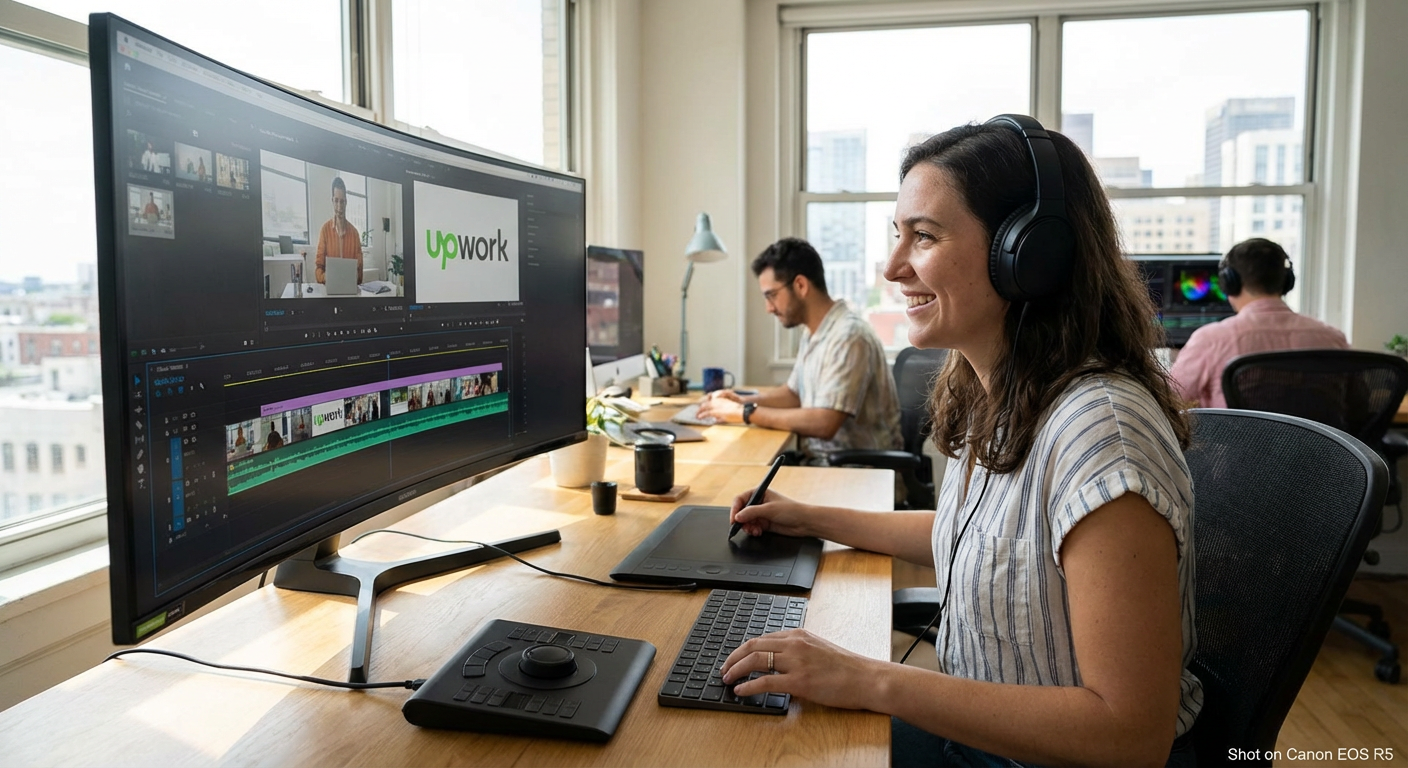
Upwork operates on a proposal system where you bid on jobs posted by clients. This gives you more control over the projects you take on compared to gig-based platforms. You’ll find everything from quick social media edits to full-scale commercial productions.
The platform takes a sliding fee that starts at 20% for your first $500 with each client, then drops to 10% once you pass that threshold. Building a strong profile with good reviews makes a huge difference here. Many experienced editors find Upwork worth the effort once they establish relationships with a few reliable clients who provide ongoing work.
- Contra
Contra takes a different approach by charging zero commission to freelancers. Yes, you read that right. The platform makes money through optional premium features and by charging clients instead, which means you keep 100% of what you earn.
The trade-off is a smaller client pool compared to older platforms, but the quality tends to be higher. Contra attracts startups and growing companies that prefer working with independent creatives rather than agencies. The interface is clean and modern, making it easy to showcase your video work in a portfolio that actually looks good.
- ProductionHub
ProductionHub caters specifically to the film and video production industry, which means you’re competing with other professionals rather than hobbyists. The clients here understand production value and are often willing to pay accordingly.
This platform works more like a directory combined with a job board. You create a detailed profile showcasing your equipment, skills, and past projects, then either apply to posted jobs or get contacted directly by production companies. It’s particularly useful if you’re looking to work on larger projects like commercials, corporate videos, or independent films rather than quick turnaround social media content.
- Behance
While Behance isn’t a traditional marketplace with built-in payment systems, it functions as a powerful portfolio platform that connects creatives with clients. Many video editors and motion designers land high-paying work simply by maintaining an active, well-curated Behance profile.
The key is treating it like a living portfolio rather than a static resume. Post case studies of your best work, explain your creative process, and engage with the community. Clients and agencies actively search Behance for talent, and the platform’s integration with Adobe makes it a natural choice for motion graphics artists. You’ll need to handle contracts and payments outside the platform, but the quality of leads can be exceptional.
- Mandy
Mandy has been connecting film and television professionals for decades, making it one of the most established names in the industry. The platform lists crew positions, freelance gigs, and contract work across the entertainment sector.
For video editors, Mandy offers access to legitimate production companies, post-houses, and studios looking for editing talent. The jobs tend to be more traditional industry work rather than digital marketing content. You’ll find opportunities in narrative editing, documentary work, and broadcast television. A subscription is required to apply to most jobs, but the investment can pay off if you’re serious about working in professional film and TV production.
- Dribbble
Dribbble started as a community for designers but has grown into a legitimate place to find client work, especially for motion designers and animators. The platform’s hiring section connects you with companies looking for creative talent.
What makes Dribbble valuable is its focus on visual quality. Clients browsing here expect polished, professional work, which means less price competition with bargain hunters. The community aspect also provides networking opportunities that can lead to referrals and collaborations. You’ll need a Pro account to access the full job board features, but many motion designers consider it essential for building their brand and finding quality clients.
- Staff Me Up
Staff Me Up specializes in entertainment industry jobs, with a strong focus on television, film, and streaming content. The platform lists both staff positions and freelance opportunities for editors working in professional environments.
This isn’t the place for quick YouTube edits or social media clips. Staff Me Up connects you with production companies, networks, and streaming services that need experienced editors for episodic content, feature films, and high-end commercials. Many of the listings are local to major production hubs, so it works best if you’re in or willing to work in cities with active film industries. The quality of work and pay rates reflect professional industry standards.
- Vimeo
Vimeo operates differently from traditional marketplaces, but its community and professional network make it valuable for video editors looking for work. The platform’s focus on quality over quantity attracts filmmakers, agencies, and brands that care about production value.
By maintaining an active Vimeo profile with your best editing work, you create a portfolio that clients can easily share and review. Many editors find work through Vimeo’s community features, groups, and direct messages from people who discover their work organically. The platform also has a Stock footage program where you can sell clips, providing passive income alongside your editing services. While you’ll handle contracts separately, Vimeo serves as an excellent showcase that leads to paid opportunities.
- Twine
Twine markets itself as a platform for creative freelancers, with a strong emphasis on matching quality talent with quality clients. The platform uses an algorithm to match your skills with relevant project briefs, which saves time compared to manually searching through job listings.
For video editors, Twine offers a mix of project types from corporate videos to creative content for startups and established brands. The platform vets both freelancers and clients to maintain quality standards, which means less time wasted on tire-kickers and non-serious inquiries. Commission rates are reasonable, and the matching system actually works well once your profile is complete and optimized with relevant skills and portfolio pieces.
- Motion Array
Motion Array is primarily known as a resource library for video creators, but it also runs a marketplace where you can sell templates, presets, and offer custom services. This dual approach lets you generate both active income from client work and passive income from digital products.
The client base here understands video production and often needs custom motion graphics or editing that goes beyond what templates can provide. You can build a reputation by selling popular templates, then transition those customers into hiring you for custom work. The community is active and supportive, with many editors finding collaborators and clients through the platform’s forums and social features. Commission rates on sales are competitive, and the platform handles all the technical details of delivering digital products.
Each of these marketplaces offers different advantages depending on your experience level, the type of work you enjoy, and how you prefer to find clients. Some provide a steady stream of smaller projects, while others connect you with bigger opportunities that require more effort to land. The best approach is often using two or three platforms simultaneously, which spreads your risk and exposes you to different types of clients. Test a few options, track which ones actually result in paid work, and focus your energy where you see the best return. Your skills are valuable, and the right marketplace can help you prove it.
