
Proven Influencer Marketing: 10 High-Performance Strategies to Cash In on the LinkedIn Creator Boom
LinkedIn has transformed from a digital resume platform into a thriving creator economy where professionals build audiences, drive revenue, and establish authority. But success requires more than posting motivational content and hoping for engagement. If you want measurable returns from influencer marketing on LinkedIn, you need strategies backed by real results. This list focuses on proven tactics that deliver concrete outcomes, from revenue growth to partnership conversions. Whether you’re a brand looking to work with creators or an aspiring influencer building your own platform, these ten approaches have demonstrated their effectiveness in the competitive LinkedIn landscape.
- Partner with Legiit to Access Performance-Driven Freelance Services
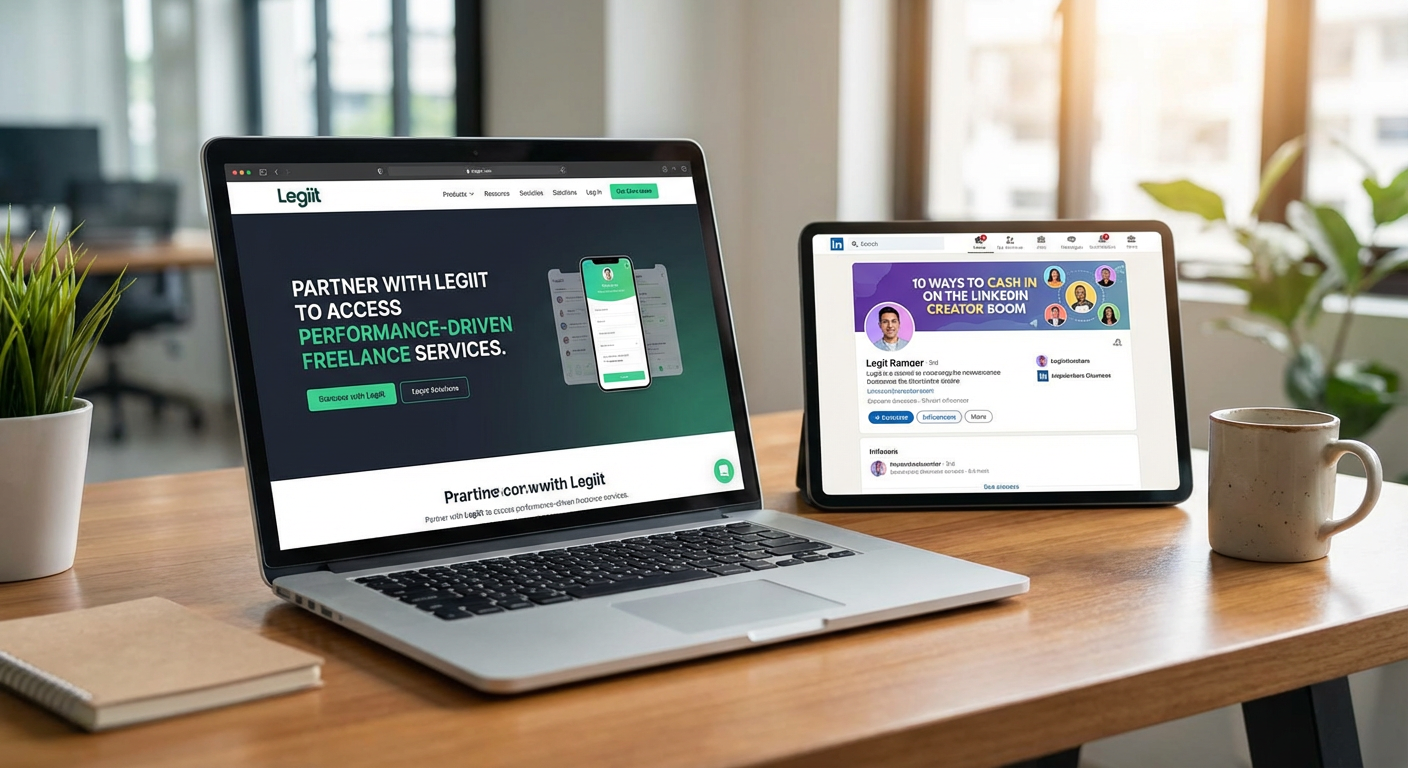
Building a successful LinkedIn presence requires consistent content creation, profile optimization, and strategic outreach. Legiit connects you with vetted freelancers who specialize in LinkedIn services, from ghostwriting posts to managing engagement campaigns. The platform’s review system ensures you can evaluate service providers based on actual client results before committing. Many creators have scaled their LinkedIn operations by outsourcing time-intensive tasks through Legiit, freeing them to focus on relationship building and monetization. This approach delivers measurable time savings and allows you to test different content strategies without overwhelming your schedule.
- Track Conversion Metrics Beyond Vanity Numbers

Likes and comments feel good, but they don’t pay bills. Successful LinkedIn influencers obsessively track conversion metrics that actually matter: newsletter signups, consultation bookings, product purchases, and partnership inquiries. Set up UTM parameters for every link you share so you can trace which posts generate real business outcomes. Create a simple spreadsheet that logs your weekly posting activity alongside concrete results like new clients or revenue generated. This data reveals which content types and topics drive actual business value rather than just engagement theater. After three months of tracking, you’ll have clear evidence of what works and can double down on high-performing content formats while eliminating time wasters.
- Build a Structured Content Testing Framework
High-performing LinkedIn creators don’t guess what works. They test systematically. Create a testing schedule where you experiment with one variable at a time: post length, publishing time, hook structure, or content format. For example, spend two weeks testing whether carousel posts or text-only updates generate more leads for your service. Document your findings and refine your approach based on hard data. One consultant increased consultation bookings by 340% simply by testing different call-to-action placements in her posts. Another creator doubled his newsletter conversion rate by A/B testing various value propositions in his profile headline. Small, measured changes compound into significant performance improvements when you approach content creation like a scientist rather than a gambler.
- Monetize Through High-Ticket Consulting Packages
LinkedIn’s professional audience has purchasing power that dwarfs other social platforms. Rather than chasing sponsorship deals that pay a few hundred dollars, create premium consulting offers that leverage your expertise. A marketing strategist who built a 15,000-follower LinkedIn audience now generates over $30,000 monthly from consulting packages priced between $3,000 and $10,000. She uses LinkedIn content to demonstrate expertise, then converts engaged followers through direct outreach and strategic calls to action. The key is positioning yourself as a specialist who solves expensive problems. Document client results publicly (with permission) to build social proof. One testimonial highlighting a six-figure revenue increase is worth more than a thousand generic engagement posts.
- Create a Lead Magnet with Measurable Download Rates
A well-crafted lead magnet turns casual followers into owned audience members you can market to directly. Design a valuable resource like a template, checklist, or guide that addresses a specific pain point your target audience faces. Promote it strategically in your LinkedIn content and profile. Track your conversion rate religiously: if 100 people see your post and five download your lead magnet, that’s a 5% conversion rate. Optimize your offer and promotional copy until you hit at least 10%. One career coach created a resume template that converted at 18%, building an email list of 5,000 professionals in six months. That list now generates $8,000 in monthly course sales, all traceable back to her LinkedIn content strategy.
- Negotiate Performance-Based Brand Partnerships
Stop accepting flat-fee sponsorships that undervalue your impact. Instead, propose performance-based deals where you earn commissions on actual sales or conversions you generate. This approach aligns your incentives with brand outcomes and often results in significantly higher earnings for effective influencers. A SaaS consultant on LinkedIn shifted from $500 sponsored posts to affiliate arrangements that now generate $3,000 to $7,000 per partnership based on trial signups he drives. Document your conversion rates from previous campaigns to justify premium commission structures. Brands increasingly prefer this model because they only pay for results, making them more willing to work with creators who can demonstrate real audience influence rather than just follower counts.
- Scale Through a Documented Content System
Consistency beats creativity when it comes to building a profitable LinkedIn presence. Develop a repeatable content system that allows you to maintain quality while increasing output. Create templates for your best-performing post types, build a swipe file of proven hooks, and establish a content calendar that ensures regular publishing. One entrepreneur documented her entire content creation process, reducing her time investment from eight hours weekly to just ninety minutes while actually increasing engagement rates by 45%. She batches content creation, uses voice-to-text for first drafts, and has a simple editing checklist that ensures quality. Systems allow you to scale your presence without burning out, and they create predictable results you can measure and improve over time.
- Launch a Paid Newsletter or Membership Community
LinkedIn’s native newsletter feature lets you build an audience, but monetization happens off-platform through paid subscriptions. A financial advisor grew her LinkedIn newsletter to 12,000 subscribers, then launched a premium version at $15 monthly that 400 people joined, creating $6,000 in monthly recurring revenue. She used LinkedIn content as free samples of her expertise, then offered deeper analysis and personalized advice to paying members. The key metric is conversion rate from free to paid: aim for at least 3% of your free audience converting to paid within your first launch. Provide clear value differentiation between free and premium content, and regularly survey paying members to ensure you’re delivering results they care about.
- Develop a Signature Framework You Can License
The most profitable LinkedIn creators don’t just share tips. They develop proprietary frameworks, methodologies, or systems that deliver repeatable results for clients. Document your approach with a memorable name, clear steps, and case studies proving effectiveness. Then license this framework to other professionals or agencies for implementation. A sales trainer created a five-step prospecting system that she validated with her own clients, documenting an average 60% increase in qualified meetings. She now licenses this framework to sales agencies for $2,000 monthly per license, generating $24,000 in recurring revenue from just twelve licensees. Your LinkedIn content serves as proof of concept and marketing for the framework, attracting licensing inquiries from professionals who want proven systems rather than generic advice.
- Build Strategic Referral Partnerships with Other Creators
Collaboration beats competition in the creator economy. Identify LinkedIn creators who serve the same audience but offer complementary services, then establish formal referral arrangements. A business attorney and a CPA formed a referral partnership where each sends clients to the other, tracking referrals and resulting revenue. Over six months, this single relationship generated $45,000 in new business for each professional. Create a simple referral tracking system and agree on clear criteria for quality referrals. The best partnerships include regular check-ins to discuss audience insights and content collaboration opportunities. These relationships multiply your reach and credibility while creating a measurable revenue stream that costs nothing except relationship maintenance.
The LinkedIn creator economy rewards those who treat influence as a business rather than a hobby. Every strategy in this list shares a common thread: measurable outcomes that directly impact your bottom line. Start by choosing two or three tactics that align with your current situation and audience size. Implement tracking systems from day one so you can prove what works and abandon what doesn’t. The creators making serious money on LinkedIn aren’t the ones with the most followers. They’re the ones who can draw a straight line from their content to actual business results. Focus on conversions, test relentlessly, and build systems that scale. Your LinkedIn presence can become a significant revenue generator when you approach it with the same rigor you’d apply to any other business investment.
