
Must-Have Tools for Bootstrapped Startups: Build Smart, Spend Less
Starting a business with limited funds means every dollar counts. You need tools that work hard so you can focus on growth, not on wrestling with complicated software or paying for features you’ll never use. This list covers practical tools that help bootstrapped startups handle the essentials without breaking the bank. Whether you’re managing projects, talking to customers, or keeping your finances in order, these picks will help you work smarter and stretch your budget further.
- Legiit
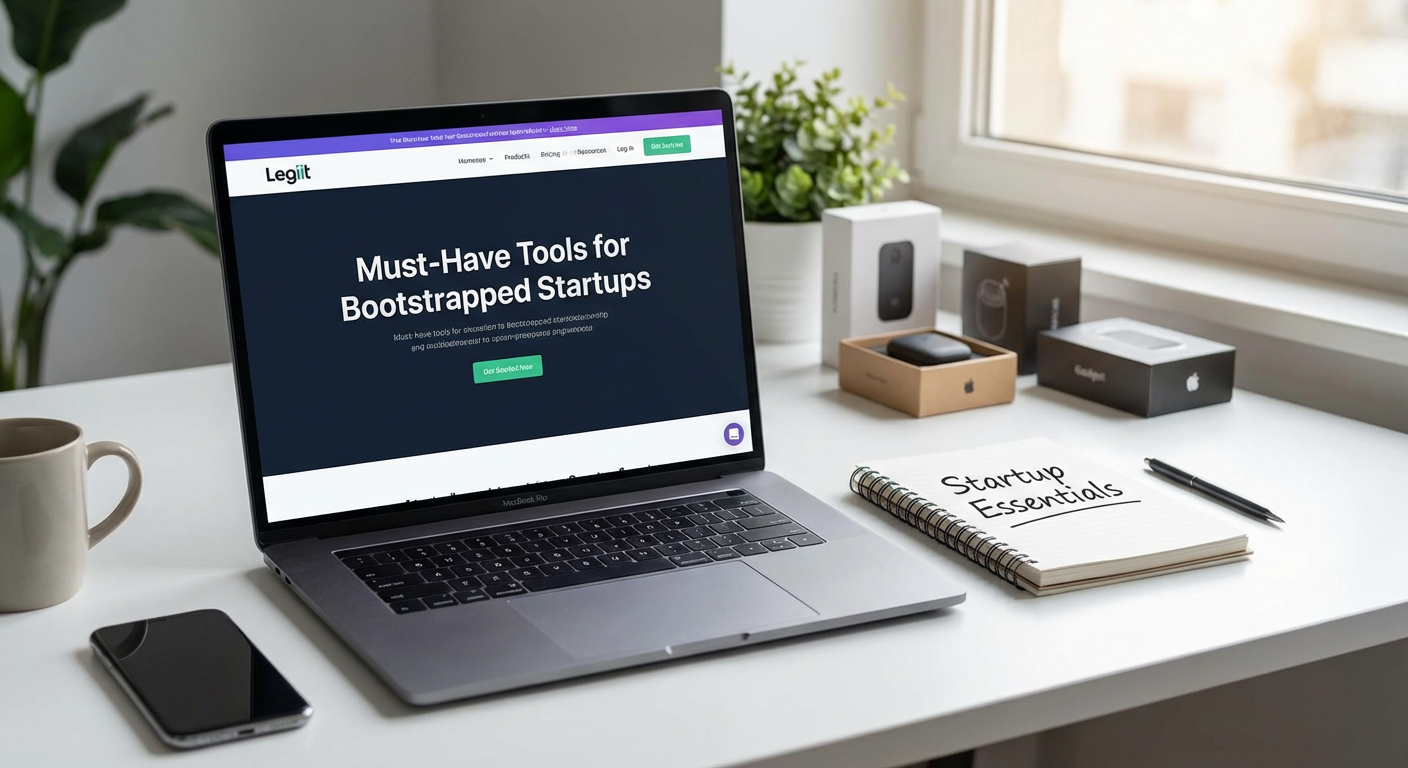
When you’re bootstrapping, hiring full-time staff for every role just isn’t realistic. Legiit connects you with freelancers who specialize in digital marketing, content creation, web development, and dozens of other services startups need. The platform focuses on affordable, fixed-price services, which makes budgeting much simpler than hourly contracts that can spiral out of control.
What sets Legiit apart is its focus on digital services that startups actually use. You can find someone to handle your social media, write blog posts, design a logo, or even manage your ad campaigns. Many services come with clear deliverables and timelines, so you know exactly what you’re getting before you pay. For founders who need to move fast without hiring a full team, Legiit offers a practical way to get professional work done at prices that make sense for lean budgets.
- Wave
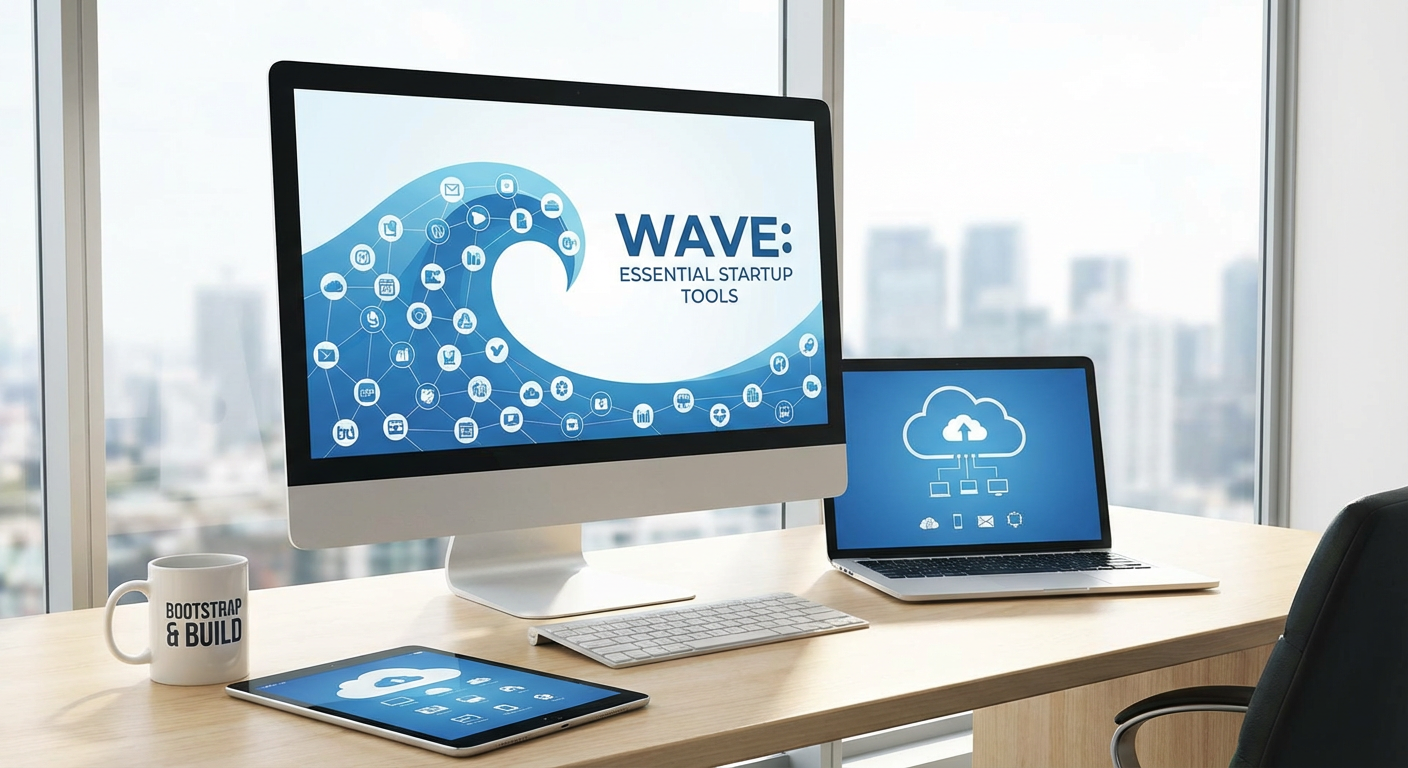
Accounting software can get expensive fast, but Wave offers a free platform that covers invoicing, expense tracking, and basic bookkeeping. For bootstrapped startups that need to watch every penny, having a clear view of your finances without a monthly subscription is huge. You can send professional invoices, track receipts by snapping photos with your phone, and generate reports that show where your money is actually going.
The free version handles most of what early-stage startups need. Wave does charge for payment processing and payroll if you need those features, but the core accounting tools cost nothing. This makes it perfect for solo founders or small teams who aren’t ready to pay for something like QuickBooks but still need to stay organized come tax time.
- Notion
Notion combines notes, databases, wikis, and project management into one flexible workspace. Bootstrapped teams love it because it replaces several tools at once, cutting down on subscription costs and context switching. You can build a knowledge base for your company, track product roadmaps, manage content calendars, and document processes all in the same place.
The learning curve can feel steep at first since Notion is so flexible, but once you get the hang of it, you can customize it to fit exactly how your team works. The free plan is generous enough for small teams, and even the paid tiers are affordable compared to buying separate tools for documentation, project management, and collaboration. Many startups use Notion as their single source of truth, which keeps everyone aligned without constant meetings or scattered information.
- Mailchimp
Email marketing remains one of the highest ROI channels for startups, and Mailchimp makes it accessible even if you’re just starting out. The free tier lets you send emails to up to 500 contacts, which is plenty when you’re building your first audience. You can create simple campaigns, set up basic automations like welcome emails, and track who’s opening and clicking.
As your list grows, Mailchimp’s paid plans scale with you, but you won’t need them until you have real traction. The interface is straightforward enough that you don’t need a marketing degree to figure it out, and the templates help your emails look decent without hiring a designer. For bootstrapped startups that need to stay in touch with customers and leads without spending hours on manual outreach, Mailchimp handles the basics well.
- Loom
Sometimes explaining something over video is ten times faster than typing it out, and Loom makes recording and sharing videos almost effortless. You can record your screen, your face, or both, then instantly share a link. This is incredibly useful for bootstrapped teams working remotely, giving feedback on designs, explaining bugs to developers, or creating quick tutorials for customers.
The free plan allows for videos up to five minutes, which is usually enough for quick updates and explanations. Paid plans remove the time limit and add features like custom branding, but many startups stick with the free version for months. Loom saves time in meetings, reduces back-and-forth emails, and helps distributed teams communicate more clearly without scheduling yet another call.
- Canva
Design work can drain your budget quickly if you’re hiring professionals for every social post, presentation, or marketing graphic. Canva gives non-designers the ability to create decent-looking visuals without learning Photoshop or spending thousands on a graphic designer. The drag-and-drop interface and massive library of templates mean you can whip up an Instagram post, a pitch deck, or a simple logo in minutes.
While Canva Pro adds useful features like brand kits and background removers, the free version covers most of what early-stage startups need. You won’t win design awards, but you’ll have professional-enough graphics to show up on social media, send in emails, and use in presentations. For bootstrapped founders who need to look credible without a design budget, Canva is a lifesaver.
- Google Workspace
You need email, document collaboration, and cloud storage, and Google Workspace bundles all of this together for a reasonable monthly fee per user. Having a professional email address with your domain name makes your startup look legitimate, and the collaboration features in Docs, Sheets, and Slides mean your team can work together in real time without version control nightmares.
The storage, security, and reliability you get from Google’s infrastructure would cost a fortune to build yourself. For bootstrapped startups, paying a small monthly fee for tools that just work means you can focus on your product instead of dealing with email server issues or lost files. Google Workspace isn’t flashy, but it handles the communication and collaboration basics so well that you’ll forget it’s even there.
- Trello
Project management doesn’t have to be complicated, and Trello proves it with a simple board-and-card system that anyone can understand in about thirty seconds. You create boards for different projects, add cards for tasks, and move them across columns as work progresses. It’s visual, flexible, and doesn’t require training your team on complex workflows.
Trello’s free plan works well for small teams and covers the basics like checklists, due dates, and attachments. You can use it for product development, content planning, customer onboarding, or pretty much any process that involves moving tasks through stages. While more complex project management tools offer advanced features, Trello’s simplicity is actually an advantage when you’re bootstrapping and don’t have time to learn a complicated system.
- Zapier
Manual data entry and repetitive tasks waste time you don’t have as a bootstrapped founder. Zapier connects different apps together and automates workflows without requiring any coding. You can automatically save email attachments to cloud storage, add new customers from forms directly into your CRM, or post social media updates across multiple platforms at once.
The free tier includes a limited number of automated tasks per month, which is usually enough to automate your most annoying repetitive work. As your needs grow, paid plans offer more automation runs and access to more complex workflows. For startups that can’t afford to hire someone just to move data between systems, Zapier acts like a virtual assistant that works around the clock.
- Calendly
The back-and-forth of scheduling meetings wastes more time than the meetings themselves. Calendly eliminates this by letting people book time with you based on your actual availability. You set your available hours, share your link, and people pick a time that works for them. Calendar invites go out automatically, and you never have to send another “what time works for you” email.
The free version handles the basics well, including integration with Google Calendar and Zoom. Paid plans add features like team scheduling and payment collection, but most bootstrapped startups can stick with free for quite a while. For founders who spend time talking to customers, investors, or partners, Calendly removes a surprising amount of friction from the process and makes you look more organized than you might actually be.
Bootstrapping a startup means being smart about where you spend money and where you can save it. The tools on this list won’t solve every problem, but they’ll handle the core needs of most early-stage companies without requiring a massive budget. Start with the free versions, learn what works for your specific situation, and upgrade only when you actually need more features. The less money you waste on tools you don’t use, the more runway you have to build something people want.
