Essential Software Tools for Every Small Business Owner: Building Your Digital Foundation
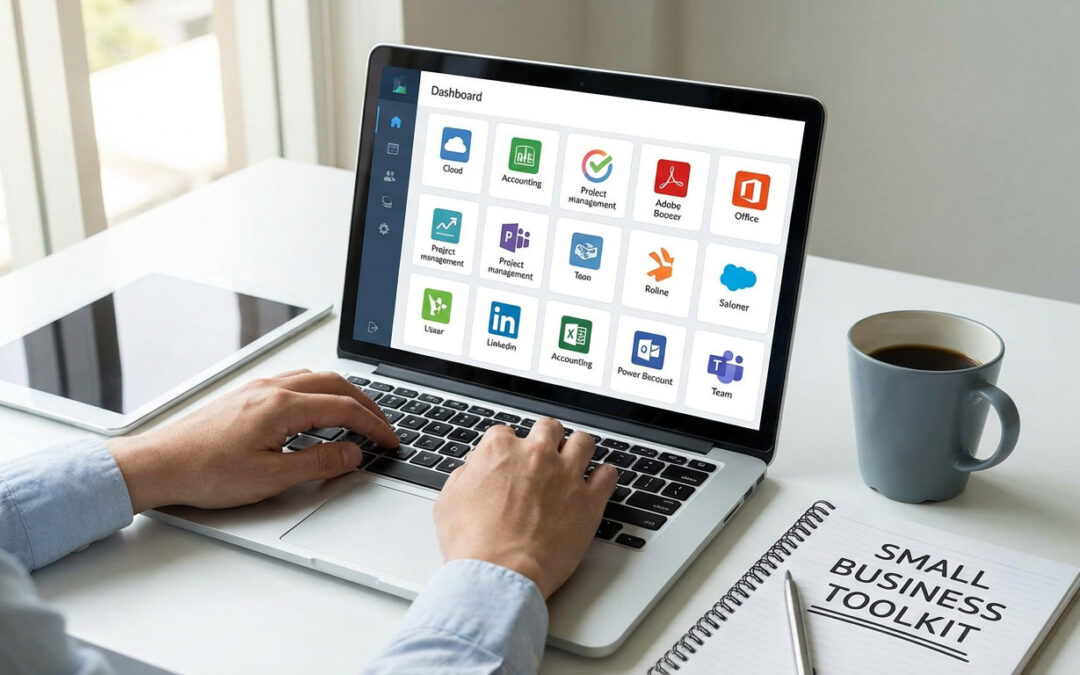
Running a small business means wearing many hats, and the right software can make the difference between chaos and control. This list focuses on the fundamental tools that help you build a solid digital foundation, covering everything from getting work done to managing money and staying connected with customers. Whether you’re just starting out or looking to streamline your operations, these ten software solutions will help you work smarter and grow your business without breaking the bank.
- Legiit: Your Freelance Service Marketplace

When you need specialized help but can’t afford a full-time employee, Legiit connects you with skilled freelancers who can handle everything from content writing to web design. The platform focuses on digital services that small businesses actually need, making it simple to find someone who can tackle that project you’ve been putting off. You can browse services at fixed prices, which means no surprises when the invoice arrives. The review system helps you choose providers with proven track records, and you can often get started on projects within days rather than weeks. For small business owners who need to move fast without hiring full-time staff, this marketplace offers a practical middle ground.
- Accounting Software: Wave for Budget-Conscious Owners

Managing your books might not be glamorous, but it’s non-negotiable if you want to stay in business. Wave offers free accounting software that handles invoicing, expense tracking, and financial reporting without the hefty price tag of bigger competitors. The interface is straightforward enough that you don’t need an accounting degree to understand your profit and loss statement.
You can connect your bank accounts to automatically import transactions, which saves hours of manual data entry each month. The mobile app lets you snap photos of receipts on the go, so you’re not drowning in paper at tax time. While Wave charges fees for payment processing and payroll, the core accounting features remain free, making it an excellent choice for businesses watching every dollar.
- Communication Hub: Slack for Team Coordination
Email threads get messy fast when you’re trying to coordinate with a team, contractors, or partners. Slack organizes conversations into channels, so your marketing discussions stay separate from customer service issues. You can quickly search through old messages to find that file someone shared three weeks ago, which beats digging through an overflowing inbox.
The real value comes from integrations with other tools you’re already using. Get notifications when someone completes a task in your project management software, or receive alerts when a customer leaves a review. Direct messages work well for quick questions that don’t need a formal email. The free plan works fine for very small teams, though you’ll eventually want to upgrade for full message history and more integrations.
- Password Manager: 1Password for Security Without Headaches
If you’re reusing passwords across multiple sites or keeping them in a spreadsheet, you’re one data breach away from a nightmare. A password manager like 1Password generates strong, unique passwords for every account and remembers them so you don’t have to. You only need to remember one master password to access everything else.
Beyond passwords, you can store secure notes, credit card information, and software licenses in encrypted vaults. The browser extension fills in login details automatically, saving time and reducing typos. For small businesses, the team plans let you securely share passwords with employees without sending them through email or chat. When someone leaves your company, you can revoke their access instantly rather than scrambling to change dozens of passwords.
- Email Marketing: Mailchimp for Customer Connection
Building an email list gives you a direct line to customers that you actually own, unlike your social media followers. Mailchimp makes it relatively simple to create newsletters, promotional emails, and automated sequences without needing design skills. The drag-and-drop editor lets you build professional-looking emails in minutes.
You can segment your list to send different messages to different groups, which means new customers get a welcome series while longtime fans hear about your latest products. The analytics show you who’s opening your emails and clicking your links, giving you insight into what resonates with your audience. The free tier covers up to a certain number of contacts, making it accessible for businesses just starting to build their list. As you grow, the paid plans add more automation and advanced features.
- Website Builder: Squarespace for Professional Presence
Your website is often the first impression potential customers get of your business, and you don’t need to hire a developer to make it look good. Squarespace provides templates designed by actual designers, so your site looks polished right out of the box. The visual editor lets you customize colors, fonts, and layouts to match your brand.
Built-in features include mobile responsiveness, basic SEO tools, and SSL security certificates. You can add e-commerce functionality if you want to sell products directly from your site. The integrated analytics tell you where your visitors come from and which pages they spend time on. While it’s not as flexible as building a custom site, the simplicity and reliability make it a solid choice for small businesses that need a good-looking website without ongoing maintenance headaches.
- Customer Relationship Management: HubSpot CRM for Growing Businesses
Keeping track of customer interactions in your head or scattered across emails stops working once you get past a handful of clients. HubSpot CRM gives you a central place to store contact information, track conversations, and manage your sales pipeline. The free version includes core features that many small businesses never outgrow.
You can log emails, calls, and meetings automatically, so there’s always a record of your last interaction with each customer. Set reminders to follow up with prospects at the right time, and use the pipeline view to see which deals are close to closing. The reporting dashboard shows you where leads come from and how long your sales cycle takes. When you’re ready to scale up, HubSpot offers marketing and service tools that integrate with the same database.
- Cloud Storage: Dropbox for File Access Anywhere
Losing important files because your laptop crashed or you forgot to bring the right USB drive is completely preventable. Dropbox automatically syncs files across all your devices, so you can access your documents from your computer, phone, or tablet. The shared folders feature makes collaborating with team members or contractors straightforward.
Version history means you can recover an older version of a file if someone makes a mistake or you need to see what changed. The camera upload feature backs up photos from your phone automatically, which is helpful for documenting products, events, or receipts. While the free storage is limited, the paid plans offer enough space for most small businesses at a reasonable monthly cost. The mobile app works reliably even with spotty internet connections, syncing changes when you get back online.
- Scheduling Tool: Calendly for Appointment Booking
The back-and-forth emails trying to find a meeting time waste hours every week. Calendly shows your availability and lets others book time slots that work for both of you. You set your available hours, buffer times between meetings, and which calendar to check for conflicts. Share your scheduling link through email, on your website, or in your email signature.
The system automatically sends confirmation emails and reminders, reducing no-shows. You can create different meeting types with different durations, so a quick consultation uses a 15-minute slot while a strategy session blocks out an hour. Integrations with Zoom and Google Meet add video conferencing links automatically. The free plan handles the basics well, though paid tiers add team scheduling and more customization options. Getting this time back to focus on actual work instead of scheduling logistics pays for itself quickly.
- Social Media Management: Buffer for Consistent Posting
Posting regularly on social media matters for visibility, but logging into five different platforms every day gets tedious. Buffer lets you schedule posts across multiple networks from one dashboard. You can batch-create a week’s worth of content in one sitting, then let the scheduler publish everything at optimal times.
The calendar view shows your posting schedule at a glance, making it easy to spot gaps or avoid over-posting. Basic analytics tell you which posts perform best, helping you refine your content strategy over time. The browser extension makes it simple to share articles or images you find while browsing. The free plan supports a limited number of scheduled posts, which works for very small businesses, while paid plans remove those limits and add team collaboration features. Consistency builds an audience, and this tool removes the friction that often causes businesses to go silent on social media.
Building your software toolkit doesn’t have to happen overnight or drain your budget. Start with the tools that address your biggest pain points, whether that’s tracking expenses, staying in touch with customers, or simply keeping your files organized. Many of these options offer free tiers or trials, so you can test them before committing. As your business grows, your software needs will change, but this foundation will serve you well in the early stages and beyond. The goal is to spend less time on administrative tasks and more time doing the work that actually grows your business.
