
7 Marketplaces for Hiring Product Designers & UX Researchers Worth Your Time
Finding the right product designer or UX researcher can feel like searching for a needle in a haystack. You need someone who understands your product vision, works well with your team, and delivers quality work on schedule. The good news is that specialized marketplaces have made this process much simpler. These platforms connect you with vetted talent, handle contracts and payments, and often provide tools to manage your projects from start to finish. Whether you’re a startup founder building your first app or an established company looking to expand your design team, this list will help you find the right marketplace for your needs.
- Legiit
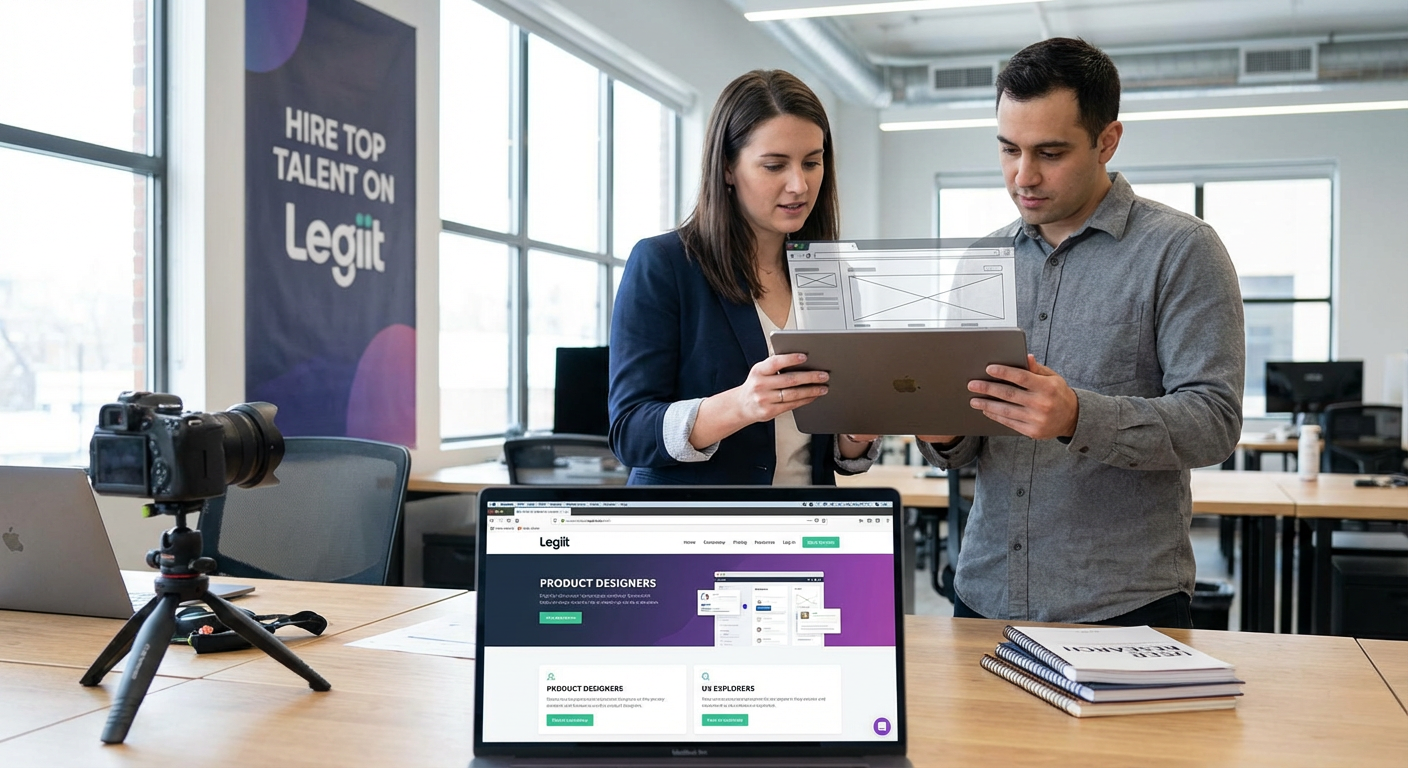
Legiit stands out as a marketplace that connects businesses with freelance product designers and UX researchers who specialize in digital products and services. The platform focuses on providing affordable, high-quality talent without the overhead of traditional agencies. You can browse profiles, review portfolios, and hire designers directly through the site.
What makes Legiit particularly useful is its transparent pricing structure. Designers list their services with clear rates, so you know exactly what you’ll pay before you commit. The platform also includes a rating system based on completed projects, which helps you evaluate potential hires based on real client feedback. Many designers on Legiit offer package deals that bundle research, wireframing, and prototyping into one service.
The site handles all payments through its secure system, which means you don’t have to worry about international transfers or payment disputes. Legiit holds your payment in escrow and releases it once you approve the work, giving both parties peace of mind. For small to mid-sized businesses that need design work without breaking the budget, Legiit provides a solid middle ground between hiring full-time staff and working with expensive agencies.
- Toptal

Toptal takes a highly selective approach to building its network of designers and researchers. The platform claims to accept only the top 3% of applicants, which means you’re working with people who have passed multiple rounds of vetting. This screening process includes portfolio reviews, skill assessments, and live tests.
The trade-off for this quality is price. Toptal designers typically charge premium rates, often comparable to what you’d pay at a top design agency. However, if your project demands senior-level expertise and you can’t afford mistakes, the investment often pays off. Toptal also provides a no-risk trial period, so if the match isn’t right within the first two weeks, you won’t be charged.
Toptal works best for companies with complex products, tight deadlines, or highly technical requirements. The platform’s matching process involves talking to a specialist who learns about your project and then recommends candidates from their network. This personal touch saves you time scrolling through hundreds of profiles, though it does mean less direct control over the selection process.
- Contra
Contra positions itself as a commission-free platform for independent professionals, which means designers keep 100% of what they earn. This structure often attracts talented freelancers who might charge higher rates on other platforms to cover commission fees. For clients, this can translate to better value or access to designers who prefer working through Contra.
The platform emphasizes portfolio presentation, giving designers tools to showcase their work in visually appealing ways. When you browse Contra, you’ll notice that profiles feel more like personal websites than typical marketplace listings. This makes it easier to get a sense of a designer’s style and approach before you reach out.
Contra works particularly well if you prefer a more direct, informal hiring process. The platform doesn’t impose strict project management structures, so you and your designer can communicate and collaborate however works best for you. This flexibility appeals to startups and creative teams that value autonomy over process.
- Coroflot
Coroflot operates differently from most marketplaces on this list. It’s primarily a portfolio hosting site where designers showcase their work, but it also includes a job board and a way to contact designers directly. The platform has been around for decades and has built a large community of design professionals across multiple disciplines.
What sets Coroflot apart is the depth of portfolios available. Designers on the platform often include detailed case studies that walk through their process, from initial research to final implementation. This transparency helps you understand not just what they created, but how they think and solve problems. For UX researchers specifically, you can find professionals who document their methodologies, research findings, and how those insights shaped product decisions.
Coroflot works best when you have time to do your own sourcing. Unlike platforms that match you with candidates, Coroflot requires you to search, evaluate, and reach out to designers yourself. The platform provides filtering tools to narrow down candidates by skill, location, and experience level. If you’re hiring for a full-time position or a long-term contract, Coroflot’s extensive talent pool makes it worth the extra effort.
- 99designs
99designs takes a contest-based approach to design work, which makes it quite different from traditional marketplaces. You post a design brief, set a prize amount, and designers submit their interpretations of your project. You then review all submissions and select a winner who receives the full prize.
This model works well for visual design projects like logos, app interfaces, and marketing materials. It gives you multiple options to choose from, which can be helpful when you’re not entirely sure what you want or need inspiration. However, the contest format is less suitable for UX research or complex product design work that requires ongoing collaboration and iteration.
One important consideration is that you’ll receive finished designs rather than working through a collaborative process. Some designers and clients find this limiting, while others appreciate the variety and speed. 99designs also offers a traditional one-to-one hiring option if you prefer to work directly with a single designer. The platform includes several service tiers, from basic contests to managed projects where a 99designs specialist helps guide the process.
- Dribbble
Dribbble started as a community where designers share their work and get feedback from peers. Over time, it evolved to include a hiring component that lets companies post jobs and contact designers directly. The platform is particularly strong for finding designers who care deeply about visual craft and stay current with design trends.
Browsing Dribbble feels more like scrolling through an art gallery than searching a job board. Designers post individual pieces of work called shots, which showcase everything from full product designs to small interface details. This granular view helps you assess a designer’s attention to detail and aesthetic sensibility. Many of the designers on Dribbble have strong personal brands and active followings within the design community.
Dribbble Pro membership unlocks additional hiring features, including the ability to search for available designers and see more detailed information about their experience and rates. The platform works particularly well for finding product designers who excel at visual design and interaction design. For pure UX research roles, you might find fewer candidates compared to platforms that focus more broadly on user experience.
- We Work Remotely
We Work Remotely is a job board rather than a marketplace, but it deserves mention because of its focus on remote positions and its large audience of design professionals. Companies post open positions, and interested candidates apply directly. This traditional hiring model gives you full control over the recruiting process.
The platform attracts designers and researchers who specifically want remote work, which has become increasingly common in the design field. Job posts reach thousands of qualified candidates quickly, often resulting in dozens or hundreds of applications within days. This volume can be both a benefit and a challenge, depending on your capacity to review applications.
We Work Remotely charges a flat fee to post a job listing, with no commissions or ongoing costs. This makes it cost-effective if you’re hiring for a full-time role or a long contract. The platform categorizes jobs clearly, making it easy for candidates to find design and research positions. Many companies use We Work Remotely alongside other hiring methods to cast a wider net and find candidates they might not reach through traditional marketplaces.
Each of these marketplaces offers something different, from Toptal’s rigorous vetting to Contra’s commission-free model to Dribbble’s visual focus. The right choice depends on your specific needs, budget, and how involved you want to be in the hiring process. Consider whether you need someone for a quick project or a long-term engagement, whether you value a hands-off matching process or prefer to do your own research, and what level of expertise your product requires. Most importantly, don’t be afraid to try multiple platforms. Many companies find their best hires by casting a wide net and seeing which marketplace attracts the right candidates for their particular situation.
