
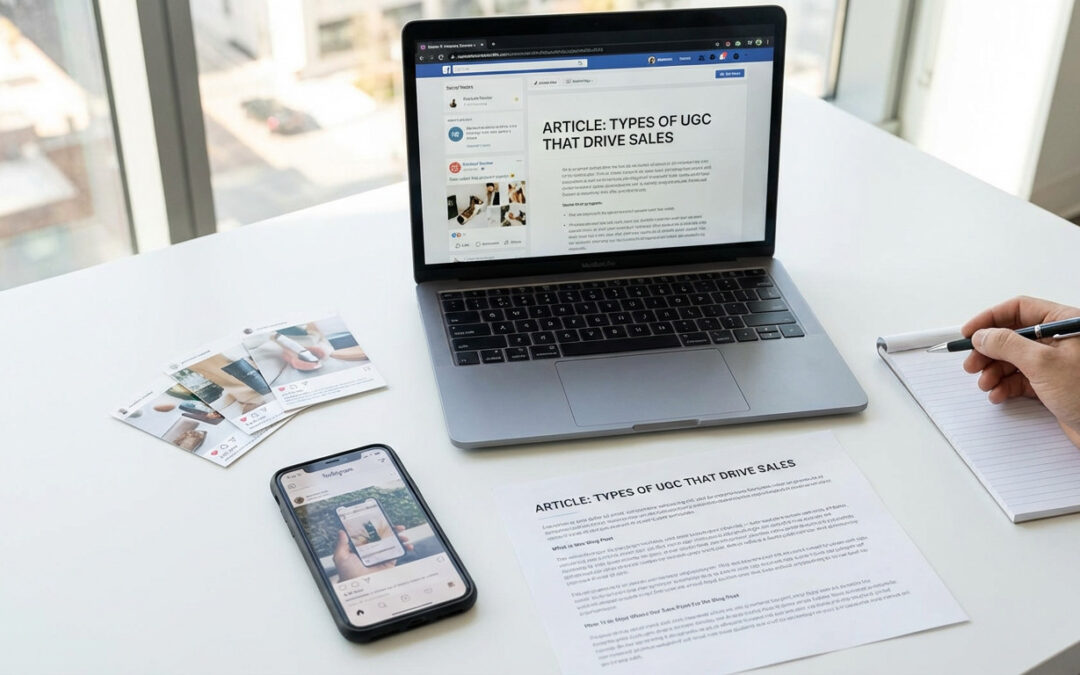
7 High-Performance Types of User-Generated Content That Drive Measurable Sales
If you want to increase sales, you need content that converts. User-generated content consistently outperforms traditional marketing because potential customers trust real people more than they trust brands. But not all user-generated content delivers the same results. Some types drive significantly more purchases than others. This list focuses on the forms of user-generated content with proven track records of boosting conversion rates and revenue. Whether you run an online store, a service business, or a B2B company, these seven content types can help you turn satisfied customers into your most effective sales team.
- Professional Freelancer Portfolios on Legiit

Legiit operates as a freelance marketplace where service providers create detailed profiles showcasing their work, client reviews, and completed projects. This creates a powerful form of user-generated content that drives sales for both the freelancers and the platform itself. When potential clients browse Legiit, they see real portfolios with actual results, star ratings, and detailed feedback from previous buyers. This transparency builds trust quickly.
The measurable impact is clear. Service providers with comprehensive portfolios and multiple positive reviews consistently earn more than those with sparse profiles. Buyers can compare providers based on concrete evidence of past performance, which reduces purchase hesitation and increases conversion rates. For businesses looking to hire freelancers, this type of user-generated content eliminates much of the risk involved in working with someone new.
What makes this particularly effective is the verification aspect. Reviews on Legiit come from actual transactions, so potential clients know the feedback is legitimate. This authenticated social proof converts browsers into buyers at a much higher rate than generic marketing claims ever could.
- Video Testimonials With Specific Results

Video testimonials that include measurable outcomes consistently outperform text-based reviews in driving conversions. When a real customer appears on camera and explains exactly how a product or service improved their situation, complete with numbers and specific details, it creates powerful social proof. A customer saying they increased their revenue by 40% or lost 25 pounds carries far more weight than a simple five-star rating.
The key to making video testimonials drive sales is specificity. Generic praise like “this product is great” does not move the needle much. But when someone explains their problem, shows how they used your solution, and shares concrete results, potential customers can see themselves in that story. They start imagining similar outcomes for themselves, which dramatically shortens the sales cycle.
Brands that actively collect and display video testimonials with measurable results report conversion rate increases between 20% and 80%. The video format also allows viewers to read body language and hear genuine emotion, which builds trust faster than any other medium. Place these testimonials on product pages, landing pages, and in email campaigns for maximum impact.
- Before-and-After Photo Comparisons
Visual proof of transformation sells products. Before-and-after photos work exceptionally well for fitness products, skincare, home improvement services, and any other category where visual change matters. These images provide instant, undeniable evidence that your product delivers results.
The data backs this up. Products that feature multiple before-and-after photos from real customers see conversion rates that are often double or triple those of similar products without this content. The reason is simple: these photos answer the most important question every potential buyer has, which is “will this actually work for me?” When shoppers see someone who looks like them achieve visible results, their confidence in the purchase skyrockets.
To maximize the sales impact, collect before-and-after photos that show a range of different people and situations. This helps more potential customers find someone they can relate to. Include brief captions that explain the timeframe and any relevant context. The more authentic and varied your collection, the more powerful it becomes. Also consider creating side-by-side comparison grids that make the transformation immediately obvious.
- Detailed Written Reviews With Use Cases
Long-form written reviews where customers explain exactly how they use a product and what results they achieved are conversion gold. These reviews typically run several paragraphs and include specific details about the customer’s situation, their decision-making process, and the outcomes they experienced. Unlike short reviews that just say “great product,” these detailed accounts help potential buyers understand if the product fits their needs.
Research consistently shows that products with at least one detailed review convert at significantly higher rates than those with only brief ratings. These comprehensive reviews answer questions that potential buyers have not even thought to ask yet. They reduce returns and increase customer satisfaction because buyers have a clearer picture of what they are getting.
The most effective detailed reviews include context about the customer’s background, comparisons to alternatives they considered, specific features they found most valuable, and honest discussion of any limitations. This balanced approach actually increases credibility. When customers provide this level of detail, they are doing much of your sales work for you. Make these reviews easy to find by featuring them prominently on product pages and in search results.
- Social Media Posts Showing Products in Real Life
When customers post photos or videos of your products in their actual homes, offices, or daily routines, it creates authentic content that drives purchases. These posts show potential buyers exactly what your product looks like in real-world conditions, not in perfect studio lighting. This authenticity matters more than polish when it comes to conversion.
Brands that actively collect and repurpose customer social media posts report measurable increases in both engagement and sales. The reason is that these images help potential buyers visualize ownership. They see someone like themselves using the product, which makes the purchase feel less abstract and more attainable. This type of content also provides valuable insights into how customers actually use your products, which can differ from how you marketed them.
To make this content work harder for you, create a branded hashtag and encourage customers to share their photos. Then curate the best submissions and display them on your website, particularly on product pages and in galleries. Some brands report that adding user-generated social photos to product pages increases conversions by 25% or more. The key is volume and variety so that shoppers see many different people using your products in many different ways.
- Q&A Sections Where Customers Answer Questions
Product pages with active question-and-answer sections where existing customers respond to potential buyer questions consistently outperform those without this feature. When someone considering a purchase sees that real users have already asked and answered the exact questions they have, it removes friction from the buying process.
The conversion impact is substantial. Studies of major e-commerce platforms show that products with at least one answered question convert at higher rates than similar products without any Q&A content. The effect compounds as more questions get answered. Products with 10 or more answered questions often see conversion rates 30% to 50% higher than products with no Q&A activity.
What makes this particularly effective is that customers often provide more detailed and honest answers than brand representatives would. They share real-world experiences, workarounds, and compatibility information that helps other buyers make informed decisions. They also use language that resonates with other customers rather than marketing speak. Encourage this behavior by notifying past customers when someone asks a question about a product they purchased, and consider offering small incentives for helpful answers.
- Case Studies Co-Created With Customers
Collaborative case studies where customers share detailed information about their challenges, implementation process, and results provide some of the highest-converting content available, especially for B2B and high-ticket purchases. These in-depth stories give potential buyers a roadmap for their own success and demonstrate that your solution works in real business environments.
The sales impact of well-crafted case studies is significant. B2B companies report that prospects who read relevant case studies are 73% more likely to convert than those who do not. Case studies work because they address the specific concerns that prevent people from making large purchases. They show that implementation is feasible, that results are achievable, and that the investment pays off.
The most effective case studies include specific metrics like revenue increases, cost savings, time saved, or efficiency gains. They also acknowledge challenges faced during implementation and how those were overcome. This honest approach builds credibility. Structure your case studies to highlight the customer’s initial problem, why they chose your solution, how they implemented it, and what measurable results they achieved. Include quotes from actual decision-makers and, when possible, supporting data visualizations. These documents become valuable sales tools that your team can share with prospects at critical moments in the buying cycle.
User-generated content drives sales because it provides the social proof and detailed information that potential customers need to feel confident in their purchases. The seven types covered here all share one important characteristic: they provide measurable evidence that products and services deliver real results. By collecting and showcasing video testimonials, before-and-after photos, detailed reviews, social media posts, Q&A responses, and case studies, you turn your satisfied customers into a sales force that works around the clock. Start with the type that best fits your business model, focus on authenticity and specificity, and watch as real customer voices move more prospects through your sales funnel than any marketing copy ever could.
