
20 Digital Marketing Resources for Business Growth That Actually Deliver Results
Growing a business online requires the right tools, platforms, and knowledge. The digital marketing landscape offers countless resources, but not all of them are worth your time or money. This list focuses on practical resources that can help you attract more customers, build your brand, and increase revenue. Whether you’re just starting out or looking to refine your strategy, these resources will give you the support and capabilities you need to compete and win.
- Legiit
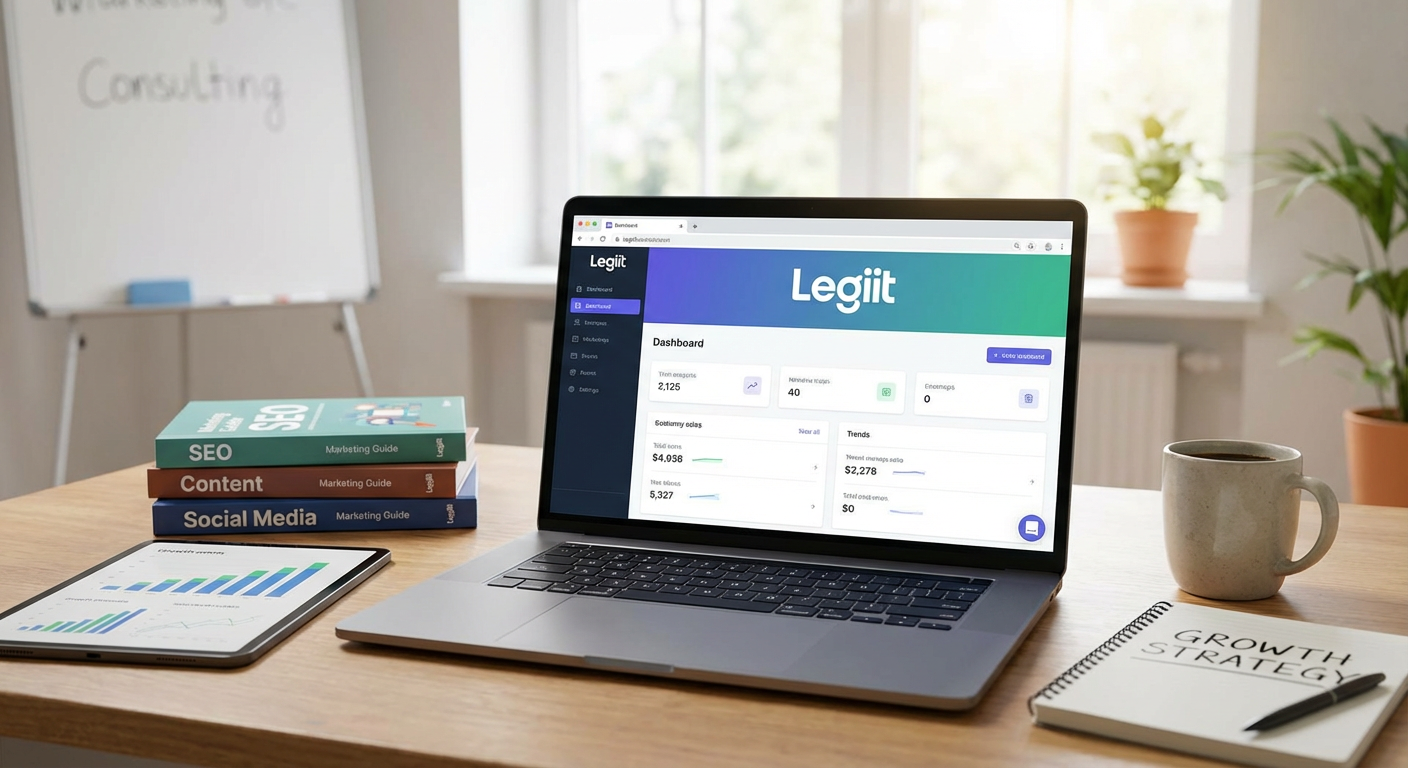
When you need skilled freelancers for specific digital marketing tasks, Legiit connects you with professionals who specialize in areas like SEO, content writing, social media management, and paid advertising. The platform focuses on digital marketing services, which means you’re not sorting through unrelated categories to find what you need. You can browse service packages with clear pricing, review provider portfolios, and get work done without the overhead of hiring full-time staff. This makes it particularly useful for small businesses and agencies that need reliable help on demand.
- Google Analytics

Understanding how visitors interact with your website is fundamental to improving your marketing efforts. Google Analytics shows you where your traffic comes from, which pages perform best, and where people drop off in your conversion funnel. The free version provides more than enough data for most businesses. Learning to read and act on this information helps you stop guessing and start making decisions based on real behavior patterns.
- Canva
Creating professional-looking graphics used to require expensive software and design skills. Canva simplifies the process with drag-and-drop templates for social media posts, ads, presentations, and more. The free tier gives you plenty of options, while the paid version adds brand kits and additional templates. Even if you’re not a designer, you can produce visuals that look polished and help your content stand out in crowded feeds.
- Mailchimp
Email marketing remains one of the highest-ROI channels for businesses of all sizes. Mailchimp provides an accessible entry point with a free plan for smaller lists and straightforward tools for building campaigns, automating sequences, and tracking performance. The interface is beginner-friendly, and the platform grows with you as your list expands. Building and maintaining an email list gives you direct access to your audience without relying on social media algorithms.
- SEMrush
Competitive research and keyword analysis become much easier with a tool like SEMrush. You can see what keywords your competitors rank for, identify gaps in your own content strategy, and track your search visibility over time. The platform also includes site audit features that help you fix technical issues that might be holding back your rankings. While it’s a paid tool, the insights you gain often pay for themselves quickly if you’re serious about organic traffic.
- Buffer
Managing multiple social media accounts without a scheduling tool quickly becomes overwhelming. Buffer lets you plan and queue posts across platforms from a single dashboard, saving you hours each week. You can also review basic analytics to see which types of content resonate with your audience. The clean interface and straightforward pricing make it a solid choice for businesses that want to maintain a consistent social presence without the daily scramble.
- HubSpot Academy
Free training on digital marketing topics is available through HubSpot Academy, which offers courses on inbound marketing, content strategy, email marketing, and more. The courses come with certifications that you can add to your LinkedIn profile. The quality is high, and the material is practical rather than purely theoretical. Whether you’re training yourself or your team, this resource helps fill knowledge gaps without a budget requirement.
- Ahrefs
Link building and content research are core strengths of Ahrefs, which provides detailed backlink analysis and content explorer tools. You can see who links to your competitors, find broken link opportunities, and identify the most shared content in your niche. The Site Explorer feature gives you a comprehensive view of any domain’s organic search performance. It’s a premium tool, but the depth of data makes it valuable for businesses focused on long-term SEO growth.
- Hotjar
Sometimes numbers don’t tell the whole story. Hotjar adds context with heatmaps, session recordings, and feedback polls that show you how people actually use your website. You might discover that users are clicking on elements that aren’t clickable, or that they’re missing your call-to-action entirely. These insights help you make targeted improvements that directly impact conversion rates. The free plan covers basic needs for smaller sites.
- Google Search Console
If you want to know how Google sees your website, Search Console is the direct line. It shows you which queries bring up your pages in search results, alerts you to technical problems, and helps you submit sitemaps. You can also see your click-through rates and average positions for different keywords. The tool is completely free and essential for anyone working on search visibility.
- Grammarly
Poor writing undermines your credibility faster than almost anything else. Grammarly catches grammar mistakes, awkward phrasing, and tone issues in real time as you write emails, blog posts, and social media updates. The free version handles the basics well, while the premium tier adds style suggestions and plagiarism detection. Clean, clear writing makes your marketing more effective across every channel.
- Hootsuite
For businesses managing multiple social accounts or working with team members, Hootsuite offers a more robust scheduling and monitoring platform. You can assign tasks, approve posts before they go live, and track mentions and keywords across networks. The learning curve is steeper than simpler tools, but the additional features justify the complexity for growing businesses that need better coordination.
- Moz
SEO can feel mysterious, but Moz works to make it more approachable with its suite of tools and educational content. The Moz Blog has been teaching marketers about search optimization for years, and the MozBar browser extension gives you quick SEO metrics on any page you visit. Their keyword research and rank tracking tools compete well with other options in the space. The community forums are also a helpful place to get specific questions answered.
- Trello
Marketing campaigns involve many moving pieces, and Trello helps you organize them visually. You can create boards for content calendars, campaign planning, and task management. Team members can comment, attach files, and move cards through different stages of completion. The simplicity is the strength here. It’s flexible enough to adapt to different workflows without forcing you into a rigid structure.
- Ubersuggest
Neil Patel’s Ubersuggest provides keyword research and SEO analysis at a lower price point than many alternatives. You can find keyword ideas, see search volumes and difficulty scores, and get content suggestions based on what’s already ranking. The tool also includes site audit features and backlink data. For businesses on a tighter budget, it delivers solid value without the premium price tag of enterprise tools.
- Loom
Video content doesn’t always require professional equipment. Loom lets you quickly record your screen and webcam simultaneously, which is perfect for creating tutorials, product demos, or personalized video messages. These videos can humanize your brand and explain complex topics more effectively than text alone. The tool is particularly useful for internal training and customer support, but many marketers also use it for content creation.
- AnswerThePublic
Finding out what questions people are actually asking about your topic helps you create content that meets real needs. AnswerThePublic visualizes search questions and phrases related to your keywords, giving you content ideas that are grounded in actual search behavior. The free version limits your daily searches, but it’s enough to generate plenty of ideas for blog posts, videos, and FAQ sections that address genuine customer concerns.
- ConvertKit
Content creators and small businesses often prefer ConvertKit for email marketing because it’s built specifically for their needs. The platform makes it easy to segment your audience, create automated sequences, and deliver lead magnets. The visual automation builder helps you set up complex email workflows without technical headaches. While it’s a paid service, the focus on creator needs rather than enterprise features makes it a good fit for many growing businesses.
- Yoast SEO
If your website runs on WordPress, the Yoast SEO plugin helps you optimize each page and post for search engines. It guides you through adding meta descriptions, checking readability, and avoiding common SEO mistakes. The traffic light system makes it easy to see at a glance whether your content is ready to publish. The free version covers the essentials that most sites need, while premium features add redirect management and internal linking suggestions.
- BuzzSumo
Content research and influencer identification become simpler with BuzzSumo, which shows you the most shared content on any topic. You can see what formats and angles work best in your niche, identify key influencers to connect with, and monitor mentions of your brand or competitors. The tool helps you create content with a better chance of gaining traction because you’re learning from what has already succeeded. Pricing tiers accommodate different business sizes and needs.
- Google My Business
Local businesses need to claim and optimize their Google My Business listing to appear in local search results and Google Maps. This free tool lets you manage your business information, respond to reviews, post updates, and see how customers find you. Many potential customers will see your GMB listing before they visit your website, making it a critical part of your online presence if you serve a local market.
The right resources can dramatically accelerate your business growth, but the key is actually using them consistently. Start with the tools that address your biggest current challenges rather than trying to implement everything at once. Most of these resources offer free trials or free tiers, so you can test them before committing. As your business grows and your needs change, you can add more sophisticated tools to your stack. Focus on learning one or two new resources each quarter, and you’ll build a solid foundation for sustainable marketing success.
