
17 Practical Tips for Choosing the Right Freelance Marketplace for Your Small Business Budget
Finding the right freelance marketplace can save your small business thousands of dollars and countless hours. But with so many platforms available, how do you pick one that actually fits your budget and delivers quality work? This guide offers hands-on advice for evaluating and using freelance marketplaces effectively. You’ll learn practical strategies for each platform, from vetting freelancers to maximizing your budget, so you can hire confidently and get results fast.
- Start with Legiit for Clear Pricing and No Bidding Hassles
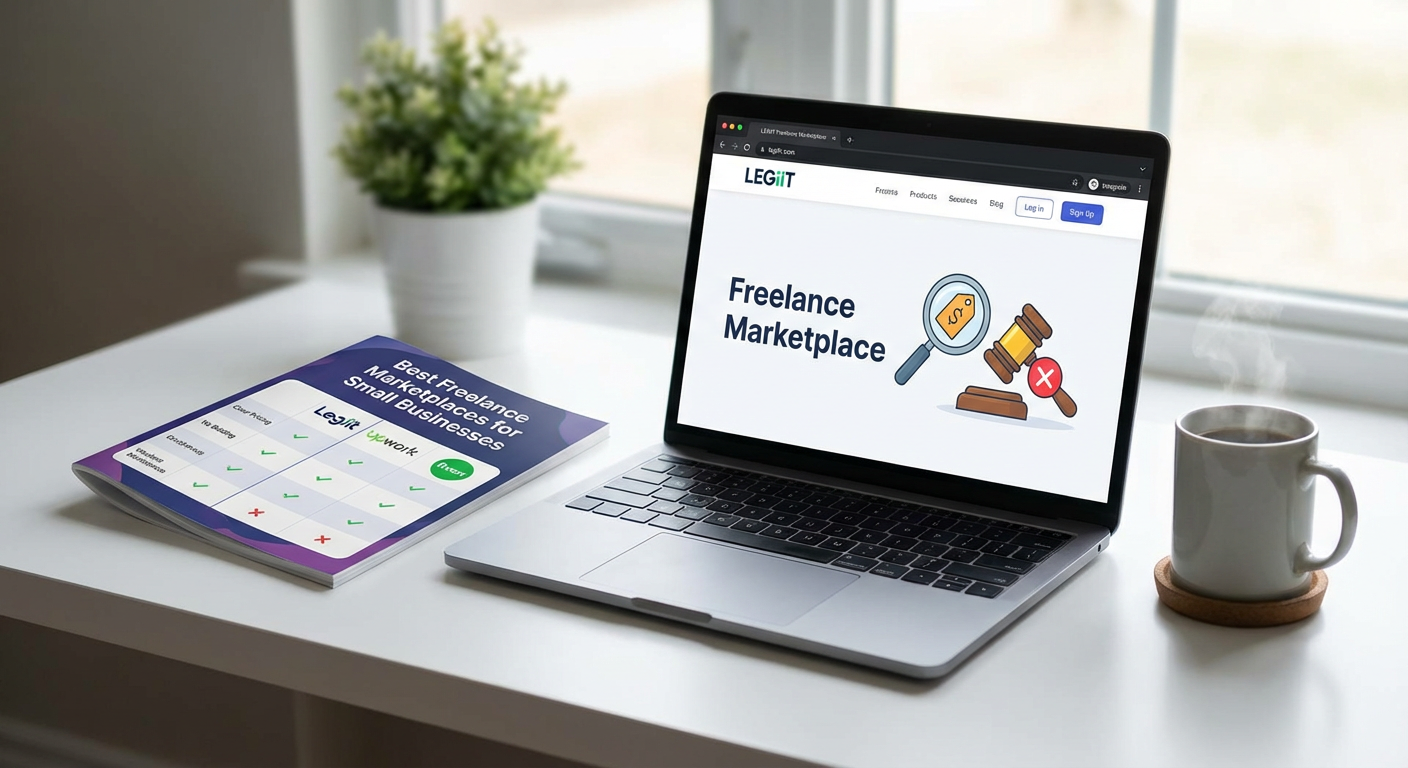
Legiit takes a different approach by letting freelancers list services at fixed prices, which means you know exactly what you’ll pay before you commit. This eliminates the time drain of reviewing dozens of proposals and negotiating rates. For small businesses with tight budgets, this transparency makes financial planning straightforward. Browse services by category, compare prices at a glance, and purchase directly when you find what you need. The platform specializes in digital marketing and SEO services, making it particularly useful if those areas are priorities for your business.
- Use Upwork’s Hourly Protection Program for Risk Management

When hiring on Upwork for hourly projects, activate the platform’s protection program to safeguard your budget. This feature takes screenshots and tracks activity, so you only pay for verified work time. Set a weekly limit on hours to prevent budget overruns, and review the work diary each week before approving payment. For small businesses new to remote hiring, this built-in accountability reduces the risk of paying for unproductive hours. Always start with a small test project to evaluate a freelancer’s pace and quality before committing to larger hourly contracts.
- Filter Fiverr by Delivery Time to Meet Tight Deadlines
Fiverr’s search filters let you sort services by how quickly freelancers can deliver, which is critical when you’re working against a deadline. Use the delivery time filter to find providers who can complete your project within 24 to 48 hours if needed. Keep in mind that faster delivery often costs extra, so balance urgency with your budget. Read the service description carefully to confirm what’s included at the base price versus what requires an upgrade. This approach helps you avoid surprises and ensures you get what you need on time.
- Negotiate Milestone Payments on Freelancer.com to Control Cash Flow
Instead of paying the full project cost upfront, break your project into milestones on Freelancer.com. Release payment only after each phase is completed and approved. This protects your budget and gives you leverage if the work isn’t meeting expectations. For example, if you’re hiring someone to build a website, set milestones for design mockups, homepage development, and final launch. Discuss and agree on these milestones before the project starts, and document them in the contract. This method keeps cash flow manageable and ensures you’re satisfied with progress before investing more.
- Leverage Toptal’s Trial Period to Test Fit Before Committing
Toptal offers a risk-free trial period, allowing you to work with a freelancer for up to two weeks before deciding to continue. Use this time to assess not just skill, but also communication style and reliability. Prepare a real project task that reflects your actual needs, rather than a generic test. If the freelancer isn’t the right fit, you won’t be charged, and Toptal will match you with someone else. This trial approach is especially valuable for small businesses that can’t afford to waste money on a bad hire.
- Set a Fixed Budget on PeoplePerHour and Stick to It
PeoplePerHour allows you to post a project with a fixed budget, and freelancers submit proposals within that range. This prevents scope creep and keeps spending predictable. Be specific in your project description about what you need, and state clearly that the budget is firm. Review proposals not just for price, but for how well the freelancer understood your requirements. If someone asks for more money, evaluate whether they’re offering additional value or simply didn’t read your brief. Sticking to your stated budget trains you to plan projects realistically and helps you avoid last-minute cost increases.
- Use Guru’s SafePay Feature to Escrow Funds and Avoid Disputes
Guru’s SafePay system holds your payment in escrow until you approve the completed work, which protects both you and the freelancer. Fund the SafePay account at the project start, and release payment only when deliverables meet your standards. This reduces the risk of losing money to poor work or no-shows. If a dispute arises, Guru’s mediation team can step in, though it’s better to communicate clearly from the start to avoid that step. For small businesses, this layer of financial security is worth the platform’s fees.
- Search 99designs by Budget Tier to Find Designers in Your Range
When you launch a design contest or hire directly on 99designs, the platform shows pricing tiers based on designer experience levels. Start by selecting the tier that matches your budget, whether that’s bronze, silver, or gold. Each tier reflects the freelancer’s skill and portfolio quality, so you get what you pay for. If you’re a startup with limited funds, a bronze-tier designer can still deliver solid work for logos or basic graphics. Save higher tiers for projects where design quality directly impacts revenue, like product packaging or major brand refreshes.
- Test Multiple Freelancers on Fiverr with Small Orders First
Before committing to a large project, order the smallest package from three to five different Fiverr sellers. Compare the quality, communication, and turnaround time. This parallel testing costs a bit upfront but saves you from hiring the wrong person for a big job. For instance, if you need ongoing social media graphics, buy one graphic from several designers and see who delivers the style and speed you need. Once you identify a winner, build a long-term relationship and negotiate better rates for bulk orders.
- Join Upwork’s Talent Scout Program for Pre-Vetted Recommendations
If sorting through hundreds of Upwork profiles feels overwhelming, use the Talent Scout service where Upwork staff recommend freelancers based on your project needs. You provide details about your project and budget, and within a day or two, you receive a curated list of candidates. This saves hours of searching and reduces the risk of hiring someone unsuitable. While the service is free, you’ll still pay standard platform fees. It’s particularly helpful for small business owners who lack the time or experience to vet freelancers themselves.
- Negotiate Package Deals on Freelancer.com for Repeat Work
If you need ongoing services like blog writing or graphic design, approach a freelancer on Freelancer.com with a proposal for a monthly package. Offer a set number of deliverables each month in exchange for a discounted rate. For example, instead of paying per article, negotiate a flat fee for ten articles per month. This gives the freelancer consistent income and gives you predictable costs and priority service. Always draft a simple agreement outlining deliverables, deadlines, and payment terms to avoid misunderstandings.
- Check LinkedIn ProFinder for Local Freelancers to Reduce Time Zone Issues
LinkedIn ProFinder connects you with freelancers, and you can filter by location to find people in your time zone or region. This makes real-time communication easier and speeds up project turnaround. When you receive proposals, review the freelancer’s LinkedIn profile to verify their work history and endorsements. This added layer of professional credibility can give you more confidence than profiles on anonymous platforms. ProFinder is especially useful for services that benefit from quick feedback loops, like copywriting or consulting.
- Post on We Work Remotely with Detailed Budgets to Attract Serious Applicants
We Work Remotely is a job board rather than a traditional freelance marketplace, but it’s great for finding contractors for longer projects. When posting, include your budget range in the listing to filter out applicants who are too expensive or inexperienced. Be specific about deliverables and timelines. Because applicants come to you, you’ll save on platform fees compared to commission-based marketplaces. Review portfolios carefully and conduct video interviews to assess communication skills before hiring.
- Use Contra’s Free Platform to Avoid Fees and Maximize Budget
Contra doesn’t charge freelancers or clients any fees, which means your entire budget goes directly to paying for work. This is a huge advantage for small businesses operating on tight margins. Freelancers set their rates, and you negotiate directly. The trade-off is that the platform offers fewer protections than fee-based marketplaces, so vet candidates carefully and use contracts. Contra works well for smaller projects or when you’re hiring freelancers you’ve already built some trust with through initial conversations or referrals.
- Browse Behance and Dribbble to Hire Designers Directly and Skip Platform Fees
Behance and Dribbble are portfolio sites where designers showcase their work. Find a designer whose style matches your needs, then reach out directly via their contact information or social media. This bypasses marketplace fees entirely, leaving more budget for the actual work. When contacting designers, be professional and clear about your project scope and budget. Some may prefer to work through a platform for payment protection, so be open to that. This method works best when you have a specific vision and need a particular aesthetic.
- Hire Through Facebook Groups for Niche Services at Lower Rates
Many industries have active Facebook groups where freelancers offer services, often at lower rates than traditional marketplaces. Join groups related to your needs, like copywriting, virtual assistance, or web development. Post a clear description of your project and budget, or browse posts from freelancers offering services. Because there’s no platform fee, freelancers can afford to charge less. However, you’ll need to handle contracts and payments yourself, so use a service like PayPal with buyer protection. This approach works well for budget-conscious businesses willing to do a bit more legwork.
- Ask for Referrals from Your Network to Find Trusted Freelancers
Sometimes the best freelance hire comes from a personal recommendation. Ask other small business owners, colleagues, or friends if they know reliable freelancers in the field you need. Referrals often come with honest feedback about pricing, work quality, and reliability. When you contact a referred freelancer, mention who recommended them to build immediate trust. You can negotiate rates directly and avoid marketplace fees. This method takes a bit more effort upfront but often results in higher-quality matches and long-term working relationships that save you money over time.
Choosing the right freelance marketplace isn’t just about finding the cheapest option. It’s about matching your budget with the level of service, protection, and convenience you need. By applying these practical tips, you can hire smarter, avoid common pitfalls, and get better results without overspending. Start small, test your options, and build relationships with reliable freelancers who understand your business. With the right approach, freelance marketplaces become powerful tools for growth, not just cost centers.
