
17 Future-Ready Services to Scale Local SEO Without Adding Headcount
Local SEO is changing fast, and businesses need solutions that won’t become obsolete next quarter. If you’re managing a growing operation without the budget or bandwidth to hire more people, you need services that adapt, automate, and keep working as search algorithms and customer behaviors shift. This list focuses on forward-thinking tools and platforms that help you stay competitive without locking you into outdated methods or requiring constant manual work. Whether you’re handling multiple locations or just trying to keep up with Google’s constant updates, these services are built to scale with you.
- Legiit
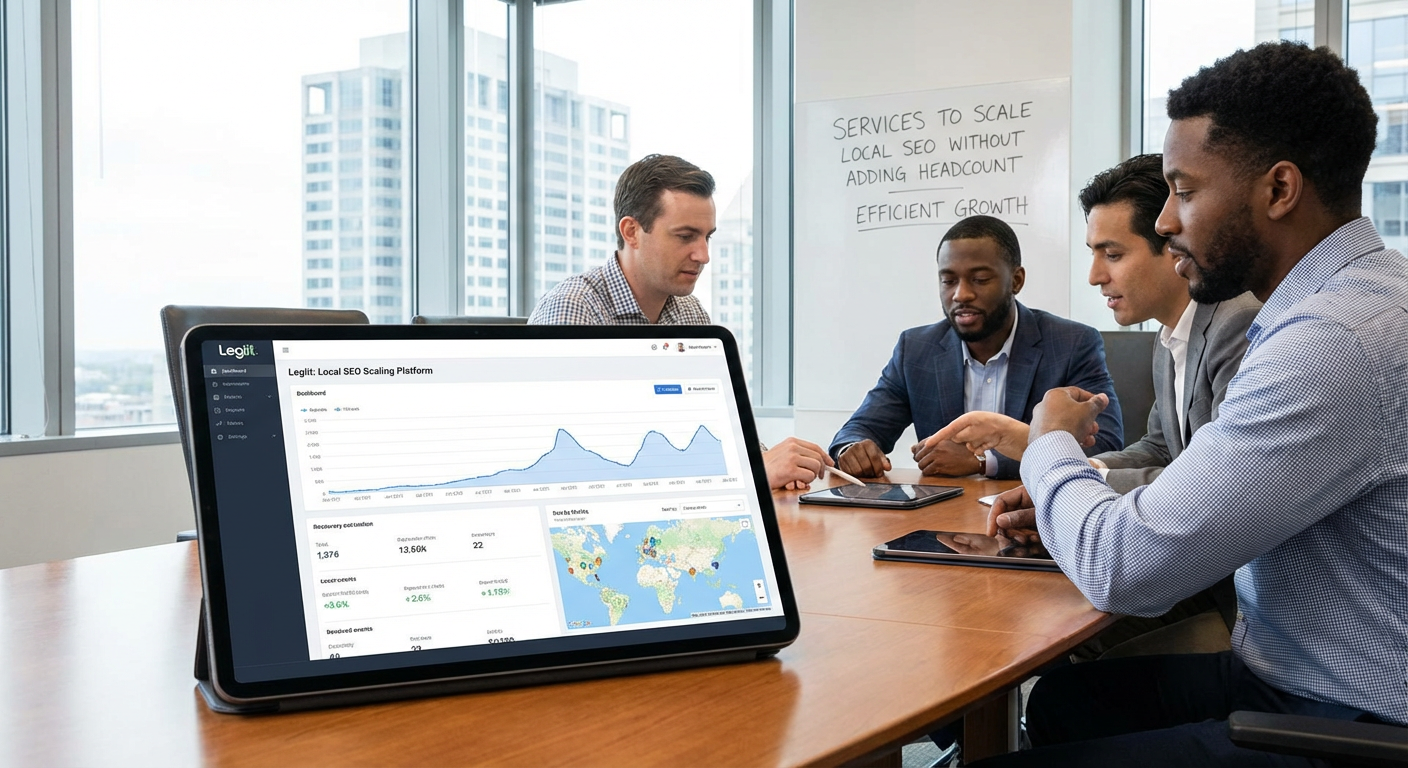
Legiit connects you with verified freelancers who specialize in local SEO, from citation building to Google Business Profile optimization. The platform is built for businesses that need flexible, on-demand expertise without the commitment of full-time hires. As local search continues to get more complex with AI-powered results and voice search, having access to specialists who stay current with these changes gives you an advantage. You can scale up or down based on your needs, and the service structure means you’re not paying for idle hours or benefits packages.
- AI-Powered Content Generation Platforms

Content remains central to local SEO, but creating location-specific pages and blog posts for multiple areas takes serious time. AI writing tools trained on SEO best practices can generate location-based content that’s ready to edit and publish. These platforms learn from your brand voice and can produce consistent messaging across dozens of locations. As natural language processing improves, these tools get better at understanding local context and user intent, making them a smart long-term investment for content-heavy local strategies.
- Automated Citation Management Systems
Citations still matter for local rankings, but manually updating business information across hundreds of directories is a waste of human hours. Automated citation services push your NAP data to major directories and monitor for inconsistencies or unauthorized changes. They also adapt as new directories gain importance and old ones fade away. Some platforms now include reputation monitoring and review response features, creating a unified system that grows with your needs without requiring additional staff to manage each new location or listing site.
- Schema Markup Generators with Local Business Focus
Structured data helps search engines understand your business information, and it’s becoming more important as Google displays richer results. Schema markup generators designed for local businesses automatically create the code you need for locations, services, reviews, and events. The better ones update their templates as Schema.org releases new types and as Google changes what it displays in search results. This keeps your technical SEO current without needing a developer on staff.
- Review Management and Response Automation
Customer reviews influence both rankings and conversions, but responding to every review across multiple platforms becomes impossible as you scale. Review management platforms centralize all your reviews and use AI to draft responses that you can approve or edit. They also send automated review requests to customers after purchases or appointments. As review signals continue to matter for local pack rankings, having a system that handles this at scale keeps you competitive without hiring community managers.
- Local Rank Tracking with Mobile and Voice Search Data
Traditional rank tracking shows where you appear in desktop searches, but local SEO increasingly depends on mobile and voice queries. Services that track rankings across devices and include voice search simulation give you a clearer picture of actual performance. They also track your position in map packs and local finders, not just organic results. As search behavior continues to fragment across devices and query types, having comprehensive tracking data helps you make smarter decisions about where to focus your efforts.
- Google Business Profile Management Platforms
Your Google Business Profile is often the first thing potential customers see, and keeping it updated with posts, photos, offers, and Q&A responses is time-consuming. Management platforms let you schedule posts, bulk-edit information across locations, and monitor insights from a single dashboard. Some include AI-suggested post topics based on trending local searches. As Google continues to add features to business profiles, these platforms adopt new capabilities faster than you could train staff to handle manually.
- Local Link Building Services with Relationship Management
Links from local organizations, news sites, and business associations still boost local authority, but building these relationships takes networking time. Services that specialize in local link building maintain databases of opportunities and existing relationships with local publishers. They handle outreach, content placement, and follow-up. As link building becomes more about genuine relationships than bulk directory submissions, having specialists who understand local digital ecosystems becomes more valuable.
- Competitive Intelligence Tools for Local Markets
Understanding what your local competitors are doing helps you stay ahead, but manually checking their websites, listings, and content is tedious. Competitive intelligence platforms track competitor rankings, review counts, content publication frequency, and citation profiles. They alert you when competitors make significant changes or gain ground. As local markets get more saturated, having automated competitive monitoring gives you the information you need to respond quickly without dedicating staff hours to manual research.
- Automated Local Landing Page Builders
Creating unique, valuable landing pages for each service area or neighborhood helps you rank for localized queries. Landing page builders designed for local businesses use templates that incorporate local schema, embedded maps, and area-specific content modules. They can pull in location data, demographics, and local imagery to create pages that feel customized without manual design work. As Google gets better at detecting thin or duplicate content, having tools that help you create genuinely useful local pages becomes more important.
- Voice Search Optimization Consulting
Voice searches often have different phrasing and intent than typed queries, especially for local businesses. Consultants who specialize in voice search optimization help you structure your content and business information to appear in voice results. They focus on question-based content, conversational keywords, and featured snippet optimization. As smart speakers and voice assistants become more common for local searches, having a strategy that accounts for this channel positions you ahead of competitors still focused only on traditional search.
- Automated Local Content Syndication Networks
Getting your content in front of local audiences across multiple channels amplifies your reach without requiring social media managers. Syndication services distribute your blog posts, offers, and announcements to relevant local platforms, community sites, and aggregators. They handle formatting, scheduling, and tracking performance across channels. As attention continues to fragment across platforms, having automated distribution ensures your content reaches local audiences wherever they consume information.
- Reputation Monitoring with Sentiment Analysis
Beyond just collecting reviews, understanding how sentiment about your brand changes over time helps you address problems before they hurt rankings. Reputation platforms with sentiment analysis track mentions across review sites, social media, forums, and news sources. They use natural language processing to identify trends and alert you to reputation risks. As online reputation becomes more tightly connected to local search visibility, having proactive monitoring helps you maintain the positive signals that support rankings.
- Local SEO Audit Tools with Ongoing Monitoring
Technical issues like broken structured data, inconsistent NAP information, or missing location pages can quietly hurt your local rankings. Audit tools scan your site and listings regularly, alerting you to problems that need attention. They also track changes in best practices and Google’s local ranking factors, updating their recommendations accordingly. Instead of hiring an SEO specialist to manually audit your presence quarterly, these tools provide continuous monitoring and prioritized fix lists.
- Chatbot Integration for Local Query Handling
Many local searches involve questions about hours, services, directions, or availability. Chatbots trained on your business information can answer these queries instantly on your website and Google Business Profile. They collect contact information, book appointments, and provide the quick answers that prevent potential customers from bouncing to competitors. As AI chat becomes more capable and Google integrates conversational elements into search, having automated response systems keeps you accessible without staffing a phone line or live chat around the clock.
- Managed Local PR Distribution
Press releases distributed through local news channels and community sites create both visibility and backlinks. Managed PR services write and distribute announcements about your business developments, events, or community involvement to relevant local outlets. They maintain relationships with local journalists and bloggers who might cover your story. As earned media continues to signal authority to search engines, having a service that handles PR outreach keeps your brand visible in local media without needing in-house PR staff.
- Multi-Location Dashboard Platforms
Managing local SEO for multiple locations means tracking performance, listings, reviews, and content across all of them. Dashboard platforms aggregate data from all your locations into visual reports that highlight which areas need attention. They often include bulk editing capabilities and workflow tools that let you manage tasks without switching between dozens of individual accounts. As you scale to more locations, having centralized visibility and control becomes essential for maintaining consistent local search performance without proportionally increasing your team size.
Scaling local SEO without adding headcount requires choosing services that do more than just save time today. The right tools adapt as search technology changes, automate repetitive work, and give you access to specialized skills without the overhead of full-time employees. By building your local SEO strategy on platforms and services designed to evolve with the industry, you create a system that gets more efficient over time rather than requiring constant reinvestment or replacement. Start with the areas where you’re spending the most manual time or where you’re falling behind competitors, then gradually build out your stack of services that work together to keep your local presence strong and current.
