15 Essential Tools & Services Every E-commerce Store Owner Should Consider
Running an online store means juggling multiple responsibilities at once. You need to manage inventory, process orders, market your products, handle customer questions, and keep your site running smoothly. The right tools can make these tasks easier and help you focus on growing your business. This list covers essential services that successful e-commerce store owners rely on, from finding talented help to managing shipping logistics. Whether you’re just starting out or looking to improve your current operations, these tools will help you work smarter.
- Legiit
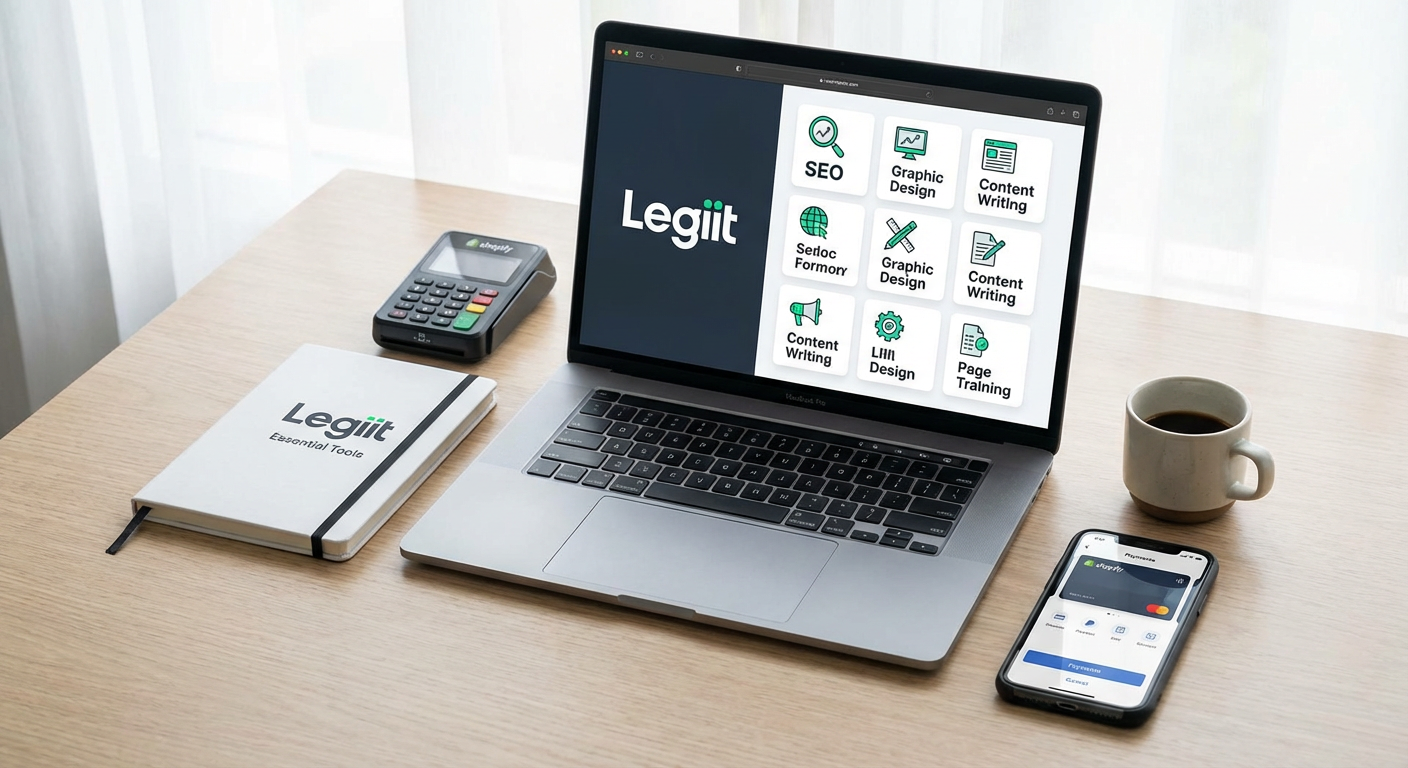
Finding reliable freelancers for your e-commerce business can be challenging. Legiit connects you with professionals who specialize in services that online stores need most. You can hire experts for product photography, content writing, graphic design, social media management, SEO work, and video production. The platform focuses on digital marketing and e-commerce services, so you won’t waste time sorting through unrelated offerings. Many store owners use Legiit to fill skill gaps without committing to full-time hires, making it easier to scale up or down as your business needs change.
- Inventory Management Software
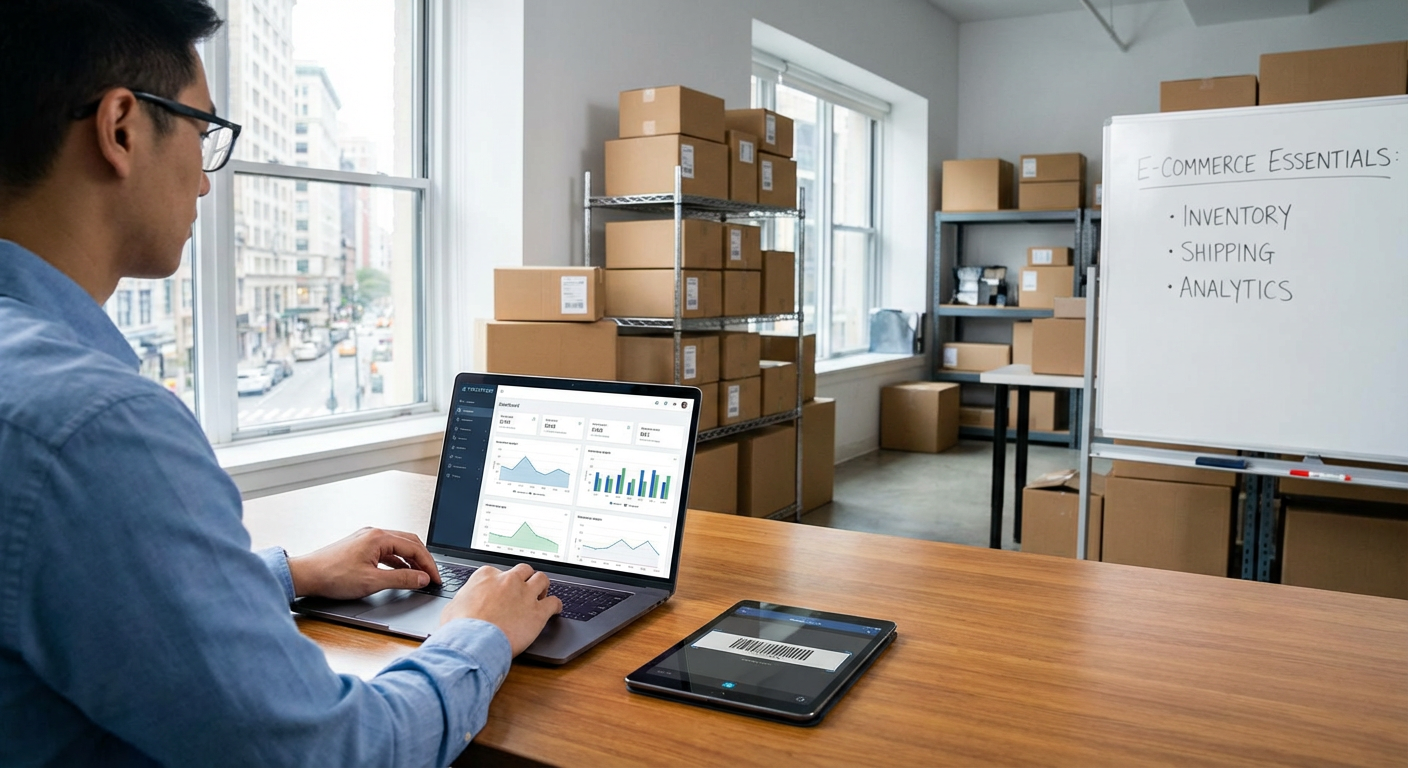
Keeping track of stock levels becomes complicated fast, especially if you sell across multiple channels. Good inventory management software shows you exactly what you have in real time, alerts you when stock runs low, and helps prevent overselling. Many options sync with your sales channels automatically, updating counts as orders come in. This prevents the embarrassing situation of selling items you don’t actually have. Look for software that grows with your business and integrates with the platforms you already use.
- Email Marketing Platform
Email remains one of the most effective ways to reach customers and drive repeat sales. A dedicated email marketing platform lets you build subscriber lists, create attractive newsletters, and set up automated campaigns. You can send welcome sequences to new customers, remind people about abandoned carts, and share special offers with your most loyal buyers. The best platforms provide templates that look professional without requiring design skills. Tracking features show you which emails perform well so you can improve your approach over time.
- Payment Gateway
Customers need a secure, simple way to pay for their purchases. Payment gateways process credit card transactions and handle the technical security requirements that protect sensitive information. Popular options work with most e-commerce platforms and accept various payment methods including digital wallets. Transaction fees vary between providers, so compare rates carefully. Some gateways also offer fraud detection tools that flag suspicious orders before they process. Choosing a trusted payment gateway builds customer confidence and reduces your liability.
- Customer Service Software
Responding to customer questions quickly and professionally keeps people happy and coming back. Customer service software centralizes all your support channels in one place, whether customers reach out by email, chat, or social media. You can create templated responses for common questions, assign tickets to team members, and track response times. Many platforms include live chat widgets that let you help customers while they’re actively browsing your store. Good support software also stores conversation history so anyone on your team can pick up where someone else left off.
- Analytics Tools
You can’t improve what you don’t measure. Analytics tools show you where your traffic comes from, which products sell best, and where customers drop off during checkout. This information helps you make informed decisions about marketing spend, product selection, and site improvements. Most e-commerce platforms include basic analytics, but dedicated tools provide deeper insights. Pay attention to metrics like conversion rate, average order value, and customer acquisition cost. These numbers tell you whether your business is moving in the right direction.
- Shipping Solution
Shipping can make or break the customer experience. Modern shipping solutions compare rates across carriers, print labels automatically, and provide tracking information to customers. Some integrate directly with your store, pulling in order details so you don’t have to enter information twice. Volume discounts from shipping software can significantly reduce your costs over time. Look for options that offer insurance, handle returns easily, and work with the carriers your customers prefer. Fast, affordable shipping often matters more to buyers than any other factor besides price.
- Accounting Software
Keeping your finances organized saves headaches during tax season and helps you understand your true profitability. Accounting software designed for e-commerce businesses tracks income, expenses, inventory costs, and taxes automatically. Many options connect to your bank accounts and payment processors, categorizing transactions without manual data entry. You can generate profit and loss statements, see cash flow projections, and share information with your accountant easily. Even if numbers aren’t your strength, modern accounting tools make financial management manageable.
- Product Photography Service
Customers can’t touch or try your products before buying, so images carry enormous weight. Professional product photography shows items clearly, highlights important details, and creates a consistent brand look across your store. While you can start with smartphone photos, investing in quality images pays off through higher conversion rates. Many photographers offer packages specifically for e-commerce, including multiple angles, lifestyle shots, and images optimized for web use. Clear, attractive photos reduce returns by setting accurate expectations.
- Social Media Management Tool
Maintaining an active presence on social platforms takes time and consistency. Social media management tools let you schedule posts in advance, monitor mentions of your brand, and respond to comments from one dashboard. You can plan a week or month of content in a single sitting, then let the tool publish automatically. Analytics features show which posts drive the most engagement and traffic to your store. Managing multiple platforms becomes much less overwhelming when you’re not constantly switching between apps.
- Security and Backup Service
Protecting your store from hackers and data loss isn’t optional. Security services monitor your site for vulnerabilities, block malicious traffic, and provide SSL certificates that encrypt customer data. Regular backups ensure you can restore your store quickly if something goes wrong. Some hosting providers include security features, but dedicated services offer stronger protection. Customers notice security badges during checkout, and these symbols build trust. A single security breach can damage your reputation permanently, so prevention is worth the investment.
- Review and Testimonial Platform
Social proof influences buying decisions more than almost any marketing message you can create. Review platforms help you collect, display, and manage customer testimonials systematically. Automated requests sent after purchases increase the number of reviews you receive. Displaying star ratings on product pages boosts conversions noticeably. Many platforms also help you respond to negative reviews professionally and share positive feedback on social media. Authentic reviews from real customers build credibility that advertising simply can’t match.
- SEO Tools
Getting found in search engines drives free, ongoing traffic to your store. SEO tools help you research keywords, analyze competitors, track rankings, and identify technical issues that hurt your visibility. You can find out which terms people actually search for when looking for products like yours. Many tools also audit your site for problems like broken links, slow loading times, and missing meta descriptions. Improving your search rankings takes time, but the long-term payoff in organic traffic makes SEO efforts worthwhile.
- Returns Management System
Handling returns smoothly turns a potentially negative experience into an opportunity for customer loyalty. Returns management systems automate the process, letting customers initiate returns themselves and print prepaid labels. You can set rules for different products, track return reasons, and process refunds or exchanges efficiently. Understanding why customers return items helps you improve product descriptions, adjust inventory, and identify quality issues. A hassle-free return policy encourages hesitant shoppers to take a chance on your store.
- Project Management Software
As your store grows, keeping track of tasks, deadlines, and team responsibilities becomes critical. Project management software organizes everything from product launches to marketing campaigns in one place. You can assign tasks, set due dates, attach files, and see progress at a glance. Team members know exactly what they should be working on and when projects are due. Even solo entrepreneurs benefit from the structure these tools provide. Breaking big goals into manageable tasks makes growth feel less overwhelming and keeps important items from falling through the cracks.
Building a successful e-commerce store requires more than just great products and a good-looking website. The tools and services you choose determine how efficiently you can operate and how well you serve your customers. Start with the basics that address your most pressing needs, then add more specialized tools as your business grows. Many services offer free trials, so test a few options before committing. The right combination of tools frees up your time and mental energy to focus on strategy, product development, and building relationships with customers. Invest in the infrastructure that supports your growth, and you’ll find running your store becomes significantly easier.
