
15 Beginner-Friendly Budget Marketplaces to Launch Your Bootstrapped Startup
Starting a business with limited funds can feel overwhelming, especially when you need to hire help but don’t know where to begin. The good news is that plenty of online marketplaces cater specifically to small budgets and first-time buyers. These platforms make it simple to find affordable services, understand what you’re paying for, and get started without a steep learning curve. This list focuses on marketplaces that welcome beginners with clear pricing, straightforward processes, and accessible support. Whether you need a logo, some marketing help, or technical work, these options will help you move forward without confusion or unnecessary expense.
- Legiit

Legiit stands out as one of the most approachable platforms for startup founders who have never hired freelancers before. The site organizes services into clear categories like content writing, SEO, graphic design, and social media management, so you can quickly find what you need without getting lost in endless search results. Pricing is transparent, with most services offered as fixed-price packages rather than hourly rates, which takes the guesswork out of budgeting. The interface is clean and simple, and the seller profiles include detailed descriptions of what you’ll receive, making it easier to compare options. For someone launching their first business and unsure where to start, Legiit removes much of the intimidation that comes with outsourcing work.
- Fiverr
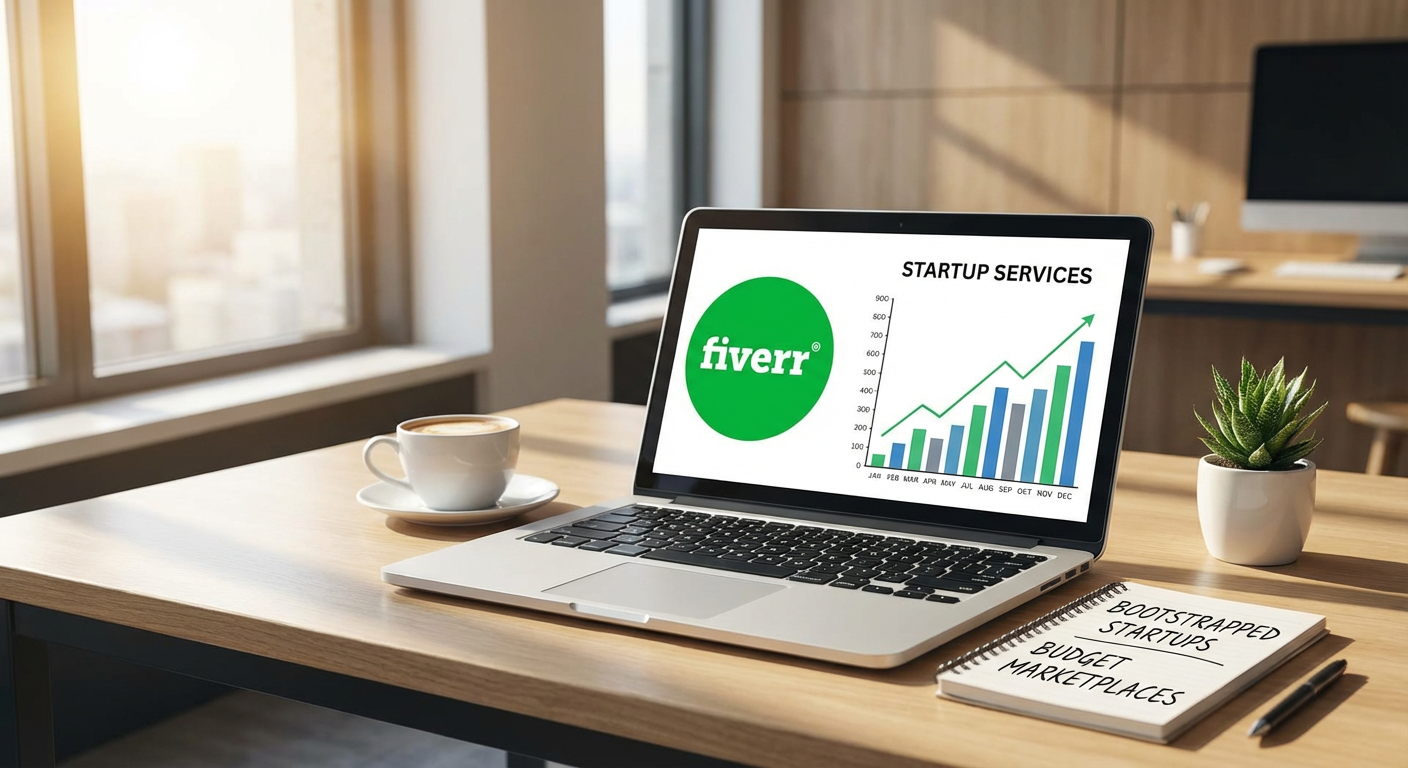
Fiverr built its reputation on being accessible to anyone, regardless of experience level. Services start at just a few dollars, which makes it perfect for testing the waters before committing to larger projects. The platform uses a gig-based system where sellers list specific services with clear deliverables, so you know exactly what you’re getting before you pay. Search filters help you narrow down options by budget, delivery time, and seller ratings. The checkout process is straightforward, and Fiverr holds your payment in escrow until you approve the work, which adds a layer of security for first-time buyers. If you’ve never hired a freelancer before, this is one of the easiest places to start.
- PeoplePerHour
PeoplePerHour simplifies the hiring process by offering both fixed-price projects and hourly work, giving you flexibility as you learn what works best for your needs. The platform includes a feature called Hourlies, which are pre-packaged services similar to Fiverr’s gigs, making it easy to browse and buy without negotiating terms. Sellers are vetted and rated by previous clients, so you can make informed decisions even if you’re not sure what questions to ask. The site also provides project templates and guides to help you write clear briefs, which is a common stumbling block for new buyers. This extra support makes PeoplePerHour a solid choice for those still figuring out how to communicate their needs effectively.
- 99designs
When you need design work but don’t know how to evaluate quality or manage a designer, 99designs offers a beginner-friendly solution through design contests. You post a brief describing what you want, set a budget, and multiple designers submit concepts for you to review. This approach lets you see different styles and ideas without committing to a single freelancer upfront, which reduces the risk of paying for something that doesn’t meet your expectations. The platform guides you through each step, from writing your brief to providing feedback and selecting a winner. While contests can be more expensive than hiring a single designer, the simplicity and variety make it worth considering for your first design project.
- Upwork
Upwork offers a massive pool of freelancers, but it has worked hard to make the platform more accessible to beginners in recent years. You can post a job for free and receive proposals from interested freelancers, or you can browse profiles and invite people to apply. The platform includes built-in tools for messaging, file sharing, and tracking hours, so you don’t need to coordinate across multiple apps. Payment protection ensures that funds are held securely, and you only release them when you’re satisfied with the work. The learning curve is slightly steeper than some other platforms, but the resources and support available make it manageable for first-time users willing to spend a little time getting familiar with the system.
- Toptal
While Toptal is known for connecting clients with top-tier freelancers, it has also become more accessible to startups with smaller budgets through its flexible engagement options. The platform pre-screens all freelancers, so you don’t have to worry about vetting candidates yourself, which is a huge relief if you’re not sure what to look for. You can start with a trial period to test a freelancer before committing to a longer contract, reducing the risk of a bad match. Toptal assigns you a dedicated matcher who helps clarify your needs and recommends suitable candidates, which is particularly helpful if you’re unsure how to articulate what you’re looking for. The process feels more like working with a staffing agency than browsing a marketplace, which can be comforting for beginners.
- TaskRabbit
TaskRabbit focuses on local services and simple tasks, making it ideal for startups that need physical help rather than digital work. You can hire someone to assemble furniture for your office, deliver materials, or handle errands that pull you away from more important work. The app is incredibly easy to use, with a straightforward booking process that takes just a few minutes. Pricing is transparent, and you can see rates before you commit. For founders who are juggling everything themselves and need quick, reliable help with everyday tasks, TaskRabbit removes the complexity of traditional hiring and gets things done fast.
- Freelancer.com
Freelancer.com operates on a bidding system where you post a project and freelancers compete by submitting proposals. This competition often drives prices down, which is great for tight budgets. The platform includes milestone-based payments, so you can break larger projects into smaller chunks and pay as work is completed, reducing financial risk. Freelancer.com also offers a money-back guarantee on certain projects, which provides peace of mind if you’re worried about losing your investment. The interface can feel a bit busy at first, but the core functionality is simple enough for beginners to grasp quickly, and the customer support team is responsive if you run into issues.
- DesignCrowd
DesignCrowd operates similarly to 99designs but tends to attract a slightly different pool of designers, giving you more variety to choose from. You post a design brief, set your budget, and receive multiple submissions from designers around the world. The process is guided step by step, so you’re never left wondering what to do next. You can provide feedback on submissions and request revisions, which helps you refine the final product without needing deep design knowledge. The platform is particularly good for logos, business cards, and marketing materials, which are often the first design needs for new startups. Pricing is flexible, and you can start with smaller budgets to test the waters.
- Guru
Guru combines elements of job posting and direct hiring, giving you flexibility in how you find and hire freelancers. The platform includes a workroom feature where you can manage projects, share files, and communicate with your freelancer all in one place. This centralized approach simplifies project management for beginners who might otherwise struggle to keep track of emails, invoices, and deliverables. Guru also offers SafePay, which holds funds in escrow until you approve the work, protecting both you and the freelancer. The interface is clean and intuitive, and the platform provides helpful tips throughout the hiring process to guide first-time users.
- ServiceScape
ServiceScape specializes in writing and editing services, making it a focused option if you need help with content, copywriting, or proofreading. The platform vets all freelancers before they can join, so you’re working with professionals who have proven skills. You can request quotes from multiple freelancers or browse profiles and hire directly, depending on how much guidance you want. ServiceScape includes built-in project management tools and secure payment processing, so you don’t need to coordinate outside the platform. For founders who need written content but aren’t sure how to evaluate writers or manage the process, this platform simplifies everything and delivers consistent quality.
- Truelancer
Truelancer caters specifically to budget-conscious buyers, with many services priced lower than on larger platforms. The site includes a mix of fixed-price services and hourly contracts, giving you options as you figure out your preferred way of working. Freelancers are rated and reviewed, which helps you make informed decisions without needing to conduct lengthy interviews. The platform also offers a Prime membership for buyers that provides additional support and faster response times, though the free version works perfectly well for most beginners. Truelancer’s simple layout and clear pricing make it easy to get started, and the lower costs mean you can afford to experiment as you learn.
- Hubstaff Talent
Hubstaff Talent is completely free for both buyers and freelancers, which removes one of the biggest barriers for bootstrapped startups. There are no commission fees, no listing charges, and no hidden costs. You post a job, review applications, and hire directly without paying the platform anything. The trade-off is that you manage the relationship and payment yourself, but if you’re comfortable with that or willing to learn, the savings can be significant. Freelancers on Hubstaff Talent tend to offer competitive rates because they’re not factoring in platform fees, and the quality is often just as good as paid platforms. For beginners willing to handle a bit more of the process themselves, this is an excellent way to stretch a limited budget.
- Bark
Bark flips the traditional marketplace model by having service providers come to you based on your posted needs. You describe what you’re looking for, and Bark matches you with relevant professionals who send quotes directly to your inbox. This approach saves time and removes the stress of browsing through hundreds of profiles when you’re not sure what you’re looking for. Bark covers a wide range of services, from web design to marketing to legal help, making it a versatile option for startups with varied needs. The platform is particularly helpful for first-time buyers who feel overwhelmed by choice and prefer a more curated experience. You pay Bark a small fee to receive quotes, but there’s no obligation to hire anyone if the matches aren’t right.
- Craigslist
Craigslist might seem outdated compared to modern marketplaces, but it remains one of the most budget-friendly options for local services and gig work. You can post a job for free and receive responses from people in your area, which is useful if you need in-person help or prefer working with locals. The platform requires more caution and vetting since there’s no formal review system, but for simple tasks and tight budgets, it can be surprisingly effective. Many freelancers just starting out use Craigslist to build their portfolios, so you can often find talented people willing to work for lower rates in exchange for testimonials and experience. Just be clear about your expectations and ask for samples or references before hiring.
Finding affordable help as a bootstrapped startup doesn’t have to be complicated or risky. These beginner-friendly marketplaces remove much of the confusion by offering clear pricing, straightforward processes, and built-in protections that make hiring feel less intimidating. Start with one or two platforms that match your immediate needs, and don’t be afraid to test small projects before committing to larger ones. As you gain confidence and learn what works for your business, you’ll find that outsourcing becomes a powerful tool for growth without breaking your budget. The key is to start simple, ask questions, and remember that every successful founder was once a first-time buyer figuring things out just like you.
