
13 Budget-Friendly Platforms That Help You Launch an Online Business Fast
Starting an online business doesn’t have to drain your savings. If you’re working with a tight budget but want to get up and running quickly, you need platforms that deliver real value without the premium price tag. This list focuses on affordable options that help you build, market, and manage your business without spending a fortune. Whether you’re launching your first side hustle or testing a business idea, these platforms give you the tools you need at prices that make sense.
- Legiit

Legiit connects you with freelancers who specialize in digital marketing, web development, content creation, and more, all at competitive rates. Instead of hiring expensive agencies or full-time staff, you can find skilled professionals who offer services starting at very reasonable prices. This makes it perfect for bootstrapped entrepreneurs who need quality work done without the big budget. You can get everything from logo design to SEO services, often with clear pricing and fast turnaround times.
- Carrd
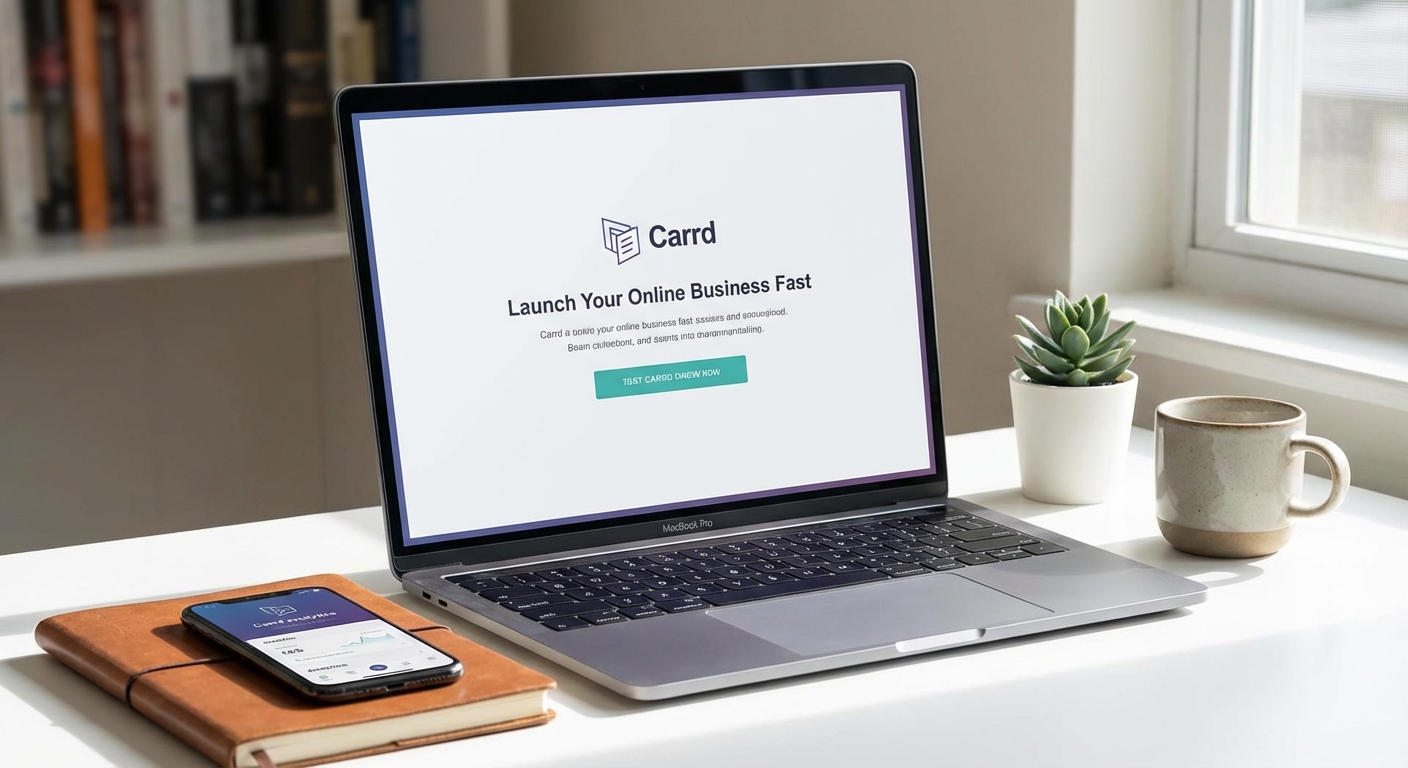
Carrd lets you build simple, responsive one-page websites for free or just a few dollars per year for the pro version. It’s ideal if you need a landing page, portfolio, or basic business site without paying for complicated website builders. The interface is straightforward, and you can have a professional-looking page live in under an hour. For entrepreneurs who don’t need a full website right away, Carrd offers incredible value.
- Gumroad
Gumroad makes it easy to sell digital products like ebooks, courses, templates, and software without any upfront costs. You only pay a small percentage when you make a sale, which means zero risk if you’re just starting out. The platform handles payments, delivery, and even basic marketing tools like discount codes and email collection. If you’re selling digital goods and want to keep costs low, Gumroad is one of the most accessible options available.
- Notion
Notion provides a free workspace where you can manage projects, track tasks, store documents, and collaborate with your team. Many small business owners use it as a central hub for everything from content calendars to customer databases. The free plan is generous enough for most solo entrepreneurs and small teams, saving you money on separate tools for notes, spreadsheets, and project management. It’s flexible, powerful, and won’t cost you a cent until you need advanced features.
- Canva
Canva offers a free plan that gives you access to thousands of templates for social media graphics, presentations, flyers, and more. You don’t need design skills or expensive software like Photoshop to create professional visuals. The drag-and-drop interface is simple, and you can produce branded content in minutes. For budget-conscious business owners, Canva eliminates the need to hire a designer for everyday marketing materials.
- Mailchimp
Mailchimp’s free plan lets you send email campaigns to up to 500 subscribers, which is plenty when you’re just getting started. Email marketing is one of the highest-ROI channels for small businesses, and Mailchimp makes it accessible without requiring a monthly subscription right away. You get basic automation, templates, and analytics to help you build relationships with customers. As your list grows, paid plans remain affordable compared to many competitors.
- Etsy
Etsy is a marketplace where you can sell handmade goods, vintage items, and craft supplies with minimal setup costs. You pay a small listing fee per item and a transaction fee when something sells, but there’s no monthly subscription or upfront platform cost. The built-in audience means you can start making sales quickly without spending heavily on advertising. For makers and creators on a budget, Etsy offers a low-risk way to test products and build a customer base.
- Stripe
Stripe allows you to accept payments online without monthly fees or setup costs. You only pay a small percentage per transaction, which means you’re not losing money when sales are slow. It integrates with almost every website builder and ecommerce platform, making it a flexible choice for businesses of all sizes. The transparent pricing and lack of hidden fees make Stripe a smart option when you’re watching every dollar.
- Google Workspace (Basic)
Google Workspace gives you a professional email address, cloud storage, and collaboration tools for a low monthly fee per user. Having a business email like you@yourbusiness.com builds trust with customers and looks far more professional than a free Gmail account. The cost is minimal compared to the credibility it adds, and you also get access to Google Docs, Sheets, and Drive for document management. It’s a small investment that pays off quickly in how your business is perceived.
- Wix (Free Plan)
Wix offers a free plan that includes hosting and a website builder with drag-and-drop functionality. While the free version displays Wix ads and uses a Wix-branded domain, it’s a solid way to get a functional website online without spending anything. You can upgrade later once your business starts generating revenue. For testing ideas or launching a simple site quickly, the free plan gives you more than enough to get started.
- Calendly (Free Plan)
Calendly’s free plan lets clients and customers book meetings with you automatically, saving you time and eliminating back-and-forth emails. You can connect it to your Google Calendar and set your availability preferences. This simple tool can make your business look more organized and professional without costing you anything. As your scheduling needs grow, paid plans add more customization, but the free version covers the basics well.
- WordPress.org with Cheap Hosting
WordPress.org is free, open-source software that powers a huge percentage of websites on the internet. Pair it with an affordable hosting provider, and you can have a fully functional business site for just a few dollars per month. You get complete control over design, functionality, and content without paying for expensive proprietary platforms. The learning curve is a bit steeper than drag-and-drop builders, but the cost savings and flexibility make it worth considering if you’re willing to invest a little time.
- Buffer (Free Plan)
Buffer’s free plan lets you schedule social media posts across multiple platforms, helping you maintain a consistent online presence without spending hours each day posting manually. You can manage up to three social accounts and schedule up to ten posts at a time, which is plenty for a new business. The time you save translates directly into money saved, and the simple interface means you don’t need to hire a social media manager right away. Once your business grows, the affordable paid plans add more accounts and features.
Launching an online business on a budget is completely doable when you use the right tools. These platforms prove that you don’t need thousands of dollars to get started. Many offer free plans or low-cost options that deliver real value, letting you focus your limited resources on what matters most: building your product and finding customers. Start with the tools that fit your immediate needs, and scale up as your revenue grows. The key is to move forward without waiting for the perfect budget, because the best time to start is now.
