12 Places to Hire + Analyze + Execute in One Workspace Without the Platform Juggling
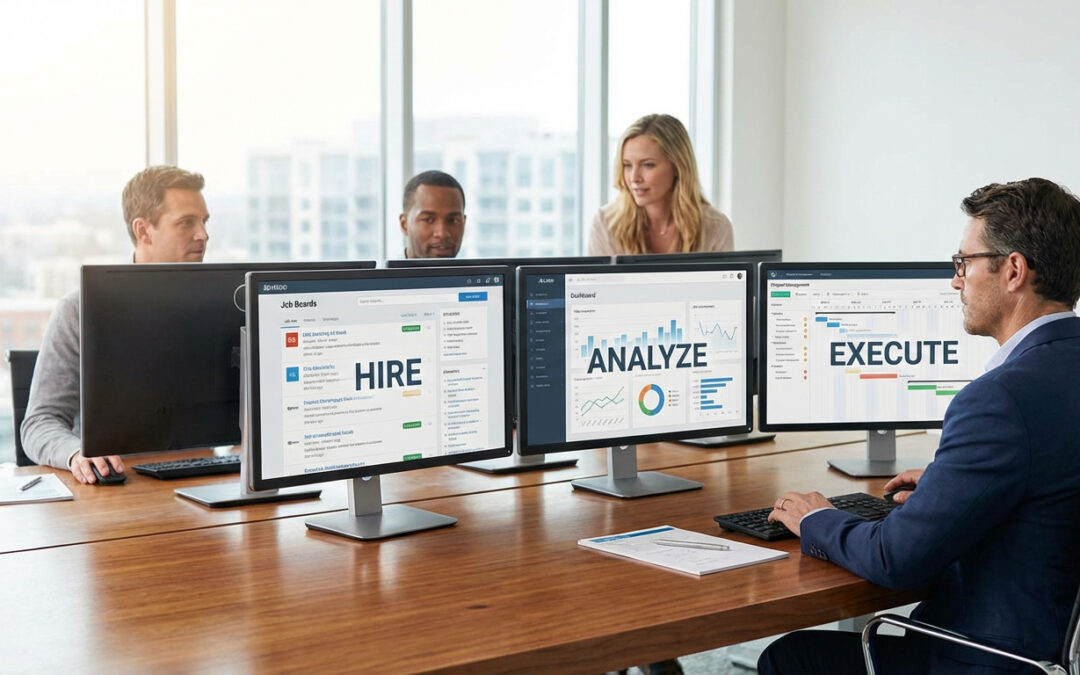
Managing projects across multiple platforms is exhausting. You hire talent on one site, track performance on another, and execute tasks somewhere else entirely. The constant tab-switching and data transfer creates confusion and slows everything down. This list focuses on workspaces that genuinely integrate hiring, analytics, and execution so you can stop wasting time on administrative overhead and start focusing on what actually matters: getting work done well and on time.
- Legiit

Legiit brings together freelance hiring, project management, and performance tracking in one straightforward platform. You can browse specialists across marketing, development, design, and business services, then manage the entire workflow without leaving the site. The built-in messaging, file sharing, and milestone tracking mean you see exactly where each project stands. Analytics show you which services deliver results and which freelancers consistently meet deadlines. For agencies and solo entrepreneurs who need reliable talent and want to monitor ROI without spreadsheet gymnastics, Legiit handles the full cycle cleanly.
- Worksome

Worksome targets companies that need to manage both internal teams and external contractors under one roof. The platform includes vendor management, compliance tracking, and financial reporting that makes sense of blended workforces. You can onboard freelancers quickly, assign tasks, and pull reports that show cost per project and productivity metrics. The analytics dashboard breaks down spending by department, role, and project type, which helps you make smarter hiring decisions over time. It works especially well for mid-sized companies that want control without adding layers of HR bureaucracy.
- MBO Partners
MBO Partners focuses on enterprise-level independent talent management with a strong emphasis on compliance and risk mitigation. The workspace includes contractor onboarding, project tracking, payment processing, and detailed performance analytics. You get visibility into project timelines, budget adherence, and contractor availability all in one interface. The reporting tools help legal and finance teams stay compliant while project managers keep work moving. If you need to scale contract work without legal headaches, MBO Partners offers the infrastructure to do it safely.
- Beehive
Beehive is built specifically for creative agencies that need to manage freelance talent pools alongside client projects. The platform lets you hire creatives, assign briefs, review work, and analyze project profitability without switching tools. Performance metrics show which freelancers deliver quality work on time and which projects run over budget. The interface prioritizes visual workflows, making it easy to see project status at a glance. Agencies tired of cobbling together project management apps with separate freelance marketplaces will appreciate the tight integration Beehive offers.
- Runn
Runn combines resource planning with financial forecasting to help you hire the right people at the right time. You can model different staffing scenarios, see how they impact project timelines and budgets, then execute on the plan within the same workspace. The analytics layer tracks actual performance against forecasts, showing you where estimates were accurate and where they missed. This feedback loop improves your planning over time. Teams that struggle with capacity planning and budget overruns will find Runn’s predictive approach helpful for making smarter hiring and project decisions.
- Float
Float focuses on visual resource scheduling with integrated time tracking and workload analytics. You can assign tasks to team members or freelancers, monitor capacity in real time, and adjust assignments when priorities shift. The reporting features show utilization rates, project progress, and budget burn, giving you clear signals when a project needs attention. Float integrates with common project management and accounting tools, but keeps the core scheduling and analysis functions centralized. It works well for teams that need flexible resource allocation without complex software.
- Wrike for Professional Services
Wrike offers a professional services edition that includes resource management, project execution, and client reporting in one workspace. You can hire contractors directly through integrations, assign work within Wrike’s task system, and pull analytics that show project health and team productivity. Custom dashboards let you track whatever metrics matter most to your business, from billable hours to client satisfaction scores. The automation features reduce repetitive admin work, freeing up time for strategic planning. Larger teams with complex workflows will appreciate the customization options Wrike provides.
- Productive
Productive is designed for agencies that want to track every aspect of project profitability from hiring through delivery. The platform includes time tracking, budget management, invoicing, and detailed financial analytics alongside project execution tools. You can see which services are most profitable, which team members are over or under capacity, and where projects are leaking money. The hiring module connects talent needs directly to project demands, so you bring people on board only when the numbers support it. Agencies serious about margin improvement will find Productive’s financial focus valuable.
- Kantata
Kantata, formerly Mavenlink, serves professional services firms that need enterprise-grade resource management and project analytics. The workspace handles hiring workflows, project execution, time and expense tracking, and financial reporting all in one place. Analytics cover everything from resource utilization to project profitability to client lifetime value. The platform scales well as your team grows, with permissions and workflows that adapt to complex organizational structures. Firms managing dozens of simultaneous projects with mixed internal and external teams will appreciate the depth Kantata offers without overwhelming simplicity.
- Mosaic
Mosaic approaches the problem from a strategic planning angle, connecting workforce planning with financial forecasting and execution tracking. You model hiring scenarios, see their impact on cash flow and project capacity, then track actual performance against the plan. The analytics show where your assumptions were right and where they need adjustment. This creates a continuous improvement loop that makes your planning more accurate over time. Finance and operations leaders who want data-driven workforce decisions will find Mosaic’s modeling capabilities more sophisticated than typical project management tools.
- Scoro
Scoro combines project management, CRM, and financial tracking into a single workspace designed for service businesses. You can manage the entire client lifecycle from initial proposal through project delivery and invoicing. The analytics dashboard shows project profitability, team productivity, and cash flow forecasts in real time. Resource scheduling tools help you assign the right people to the right projects without overloading anyone. Scoro works particularly well for consultancies and agencies that want to eliminate the friction between sales, delivery, and finance teams by giving everyone access to the same data.
- Teamwork
Teamwork offers project management with built-in resource scheduling, time tracking, and profitability analytics. You can manage both employees and contractors within the same workspace, assign tasks, track progress, and monitor budgets without jumping between tools. The reporting features show which projects are on track and which need intervention, with filters for client, project type, or team member. Integrations with hiring platforms let you bring new talent into active projects quickly. Teams that want solid project management with good financial visibility will find Teamwork delivers both without excessive complexity.
Switching between separate platforms for hiring, tracking, and execution wastes time and creates gaps where important details get lost. The workspaces on this list consolidate those functions so you can manage projects more efficiently and make better decisions based on complete data. Whether you run a small agency or manage enterprise projects, choosing a workspace that handles all three functions well will reduce friction and help your team focus on delivering great work instead of managing tools.
