
12 Hidden Freelance Platforms That Actually Run Your Business for You
Most freelancers know the big names in the gig economy, but those popular platforms often give you little more than a profile page and a messaging system. If you want to actually manage your business without juggling five different apps, you need to look beyond the usual suspects. This list highlights lesser-known freelance sites that pack serious business tools right into their platforms. These are the quiet overachievers that help you invoice clients, track time, manage projects, and handle contracts without forcing you to stitch together a patchwork of third-party services.
- Legiit

While many people think of Legiit as just another freelance marketplace, it quietly offers a full suite of business management features that most competitors skip. You get built-in proposal tools, contract templates, and payment processing that actually protects both sides of the transaction. The platform also includes project management boards where you can collaborate with clients, share files, and track milestones without ever leaving the site. Legiit tends to fly under the radar compared to the giants, but it delivers a surprisingly complete business toolkit for freelancers who want to focus on their work instead of administrative chaos.
- Contra
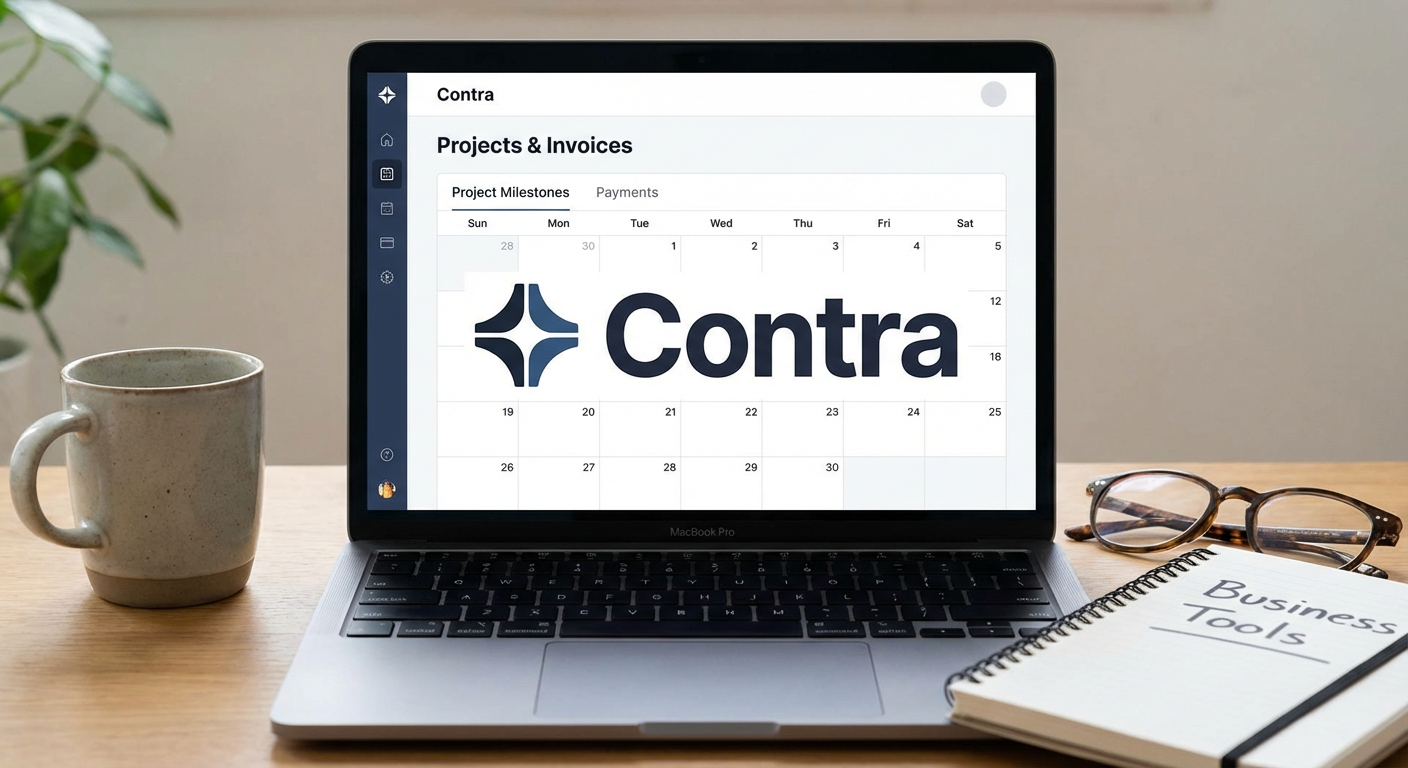
Contra built its platform around the idea that freelancers need more than a place to list their skills. The site includes commission-free payments, which already sets it apart, but it also offers integrated contract generation and portfolio hosting. You can create detailed project briefs, manage client communications, and even build a professional website directly through the platform. The interface feels clean and modern, and the business tools are woven into the workflow rather than tacked on as afterthoughts.
- Worksome
Worksome operates more like a freelance operating system than a simple job board. The platform handles time tracking, invoicing, and compliance documentation automatically, which is a lifesaver if you work with multiple clients across different regions. It also includes workforce analytics so you can see which projects are most profitable and where you spend your time. Worksome targets professionals who treat freelancing as a serious business, not a side hustle, and the tools reflect that focus.
- Bonsai
Bonsai positions itself as an all-in-one business management platform that happens to include a project marketplace. The real value lies in the integrated contract templates, automated invoicing, and expense tracking that sync with your tax obligations. You can create proposals that turn into contracts with a single click, then track time against those projects and generate invoices automatically. The marketplace itself is smaller than the major platforms, but the business infrastructure makes up for the lower traffic with genuine utility.
- Gun.io
Gun.io focuses on software developers and includes project management tools that feel purpose-built for technical work. The platform handles contracts, payments, and communication, but it also includes code repositories and documentation hosting. You can manage sprints, track bugs, and coordinate with clients using tools that speak the language of software development. The vetting process is strict, which keeps the talent pool small but high-quality, and the business tools reflect that professional standard.
- Palta
Palta caters to creative professionals and includes portfolio management, client relationship tools, and project tracking in one package. The platform lets you create mood boards, share drafts, and collect feedback without switching between apps. It also handles contracts and payments, but the standout feature is the client portal that gives your customers a branded experience. Palta remains relatively obscure outside design and creative circles, but it solves real problems for people who need to showcase visual work and manage revisions efficiently.
- Malt
Malt dominates the European freelance market but remains largely unknown in other regions. The platform includes invoicing that complies with local tax regulations, project management boards, and integrated messaging. You can track time, generate quotes, and manage multiple projects with clients who might operate under different legal frameworks. The business tools handle currency conversion and cross-border payments smoothly, which matters if you work with international clients. Malt proves that regional platforms sometimes offer better infrastructure than global giants.
- Comma
Comma targets writers, editors, and content creators with tools designed for collaboration on text-heavy projects. The platform includes version control, inline commenting, and revision tracking that feel more like a content management system than a freelance marketplace. You can manage deadlines, share style guides, and invoice clients all in the same place. The user base is smaller and more specialized, which means less competition for jobs but also fewer listings overall. For people who work with words, the built-in editorial tools justify the trade-off.
- Wethos
Wethos approaches freelancing from a team perspective, letting you collaborate with other freelancers on larger projects while still managing individual contributions. The platform includes project scoping tools that help you estimate costs, divide work, and track progress across team members. You can generate contracts, split payments, and manage client communications through shared dashboards. Wethos fills a specific niche for freelancers who occasionally need to scale up without hiring permanent staff, and the business tools support that fluid collaboration model.
- Hectic
Hectic combines freelance project management with client relationship tools that border on light CRM functionality. You can track leads, manage proposals, and convert approved projects into active work streams with automated task lists. The platform also includes time tracking, invoicing, and expense management that sync together. Hectic remains under the radar partly because it requires a learning curve, but once you understand the system, it can replace several separate business tools. The approach works best for freelancers who manage ongoing relationships rather than one-off gigs.
- Gigged.AI
Gigged.AI uses matching algorithms to connect freelancers with projects, but the real value sits in the business automation features. The platform handles contracts, milestone tracking, and payments with minimal manual input. You can set up recurring invoices, automate payment reminders, and generate financial reports for tax purposes. The artificial intelligence component learns from your work patterns and suggests pricing, timelines, and project structures based on historical data. The site is still growing its user base, which means less competition for available projects and more attention from the platform team when you need support.
- Moonlight
Moonlight caters to software engineers and product designers with a focus on long-term contracts rather than quick gigs. The platform includes time tracking, invoicing, and contract management, but it also offers benefits administration and tax withholding for U.S.-based freelancers. You can opt into health insurance, retirement accounts, and other perks typically reserved for employees, all managed through the platform. Moonlight operates more like a freelancer back-office service than a simple marketplace, which makes it valuable for people who want the freedom of freelancing without the administrative burden.
The most popular freelance platforms get all the attention, but they often force you to cobble together your own business infrastructure. These lesser-known sites understand that freelancers need more than visibility. They need tools that handle the boring but critical parts of running a business. Whether you need better invoicing, integrated project management, or automated contract generation, these platforms deliver practical solutions without the hype. Try a few that match your work style and see which ones actually save you time. The right platform should feel like it works for you, not the other way around.
