

12 Budget-Friendly Mistakes New Freelancers Make (And How to Avoid Them Without Breaking the Bank)
Starting a freelance career can feel liberating, but it also comes with financial challenges that catch many beginners off guard. New freelancers often waste money on the wrong tools, undercharge for their work, or miss out on free resources that could save them hundreds of dollars. This guide walks you through the most common budget-related mistakes and shows you practical, affordable ways to avoid them. Whether you’re bootstrapping your business or simply want to keep costs low while you build your client base, these tips will help you protect your wallet and grow sustainably.
- Spending Too Much on Services Before You Have Clients
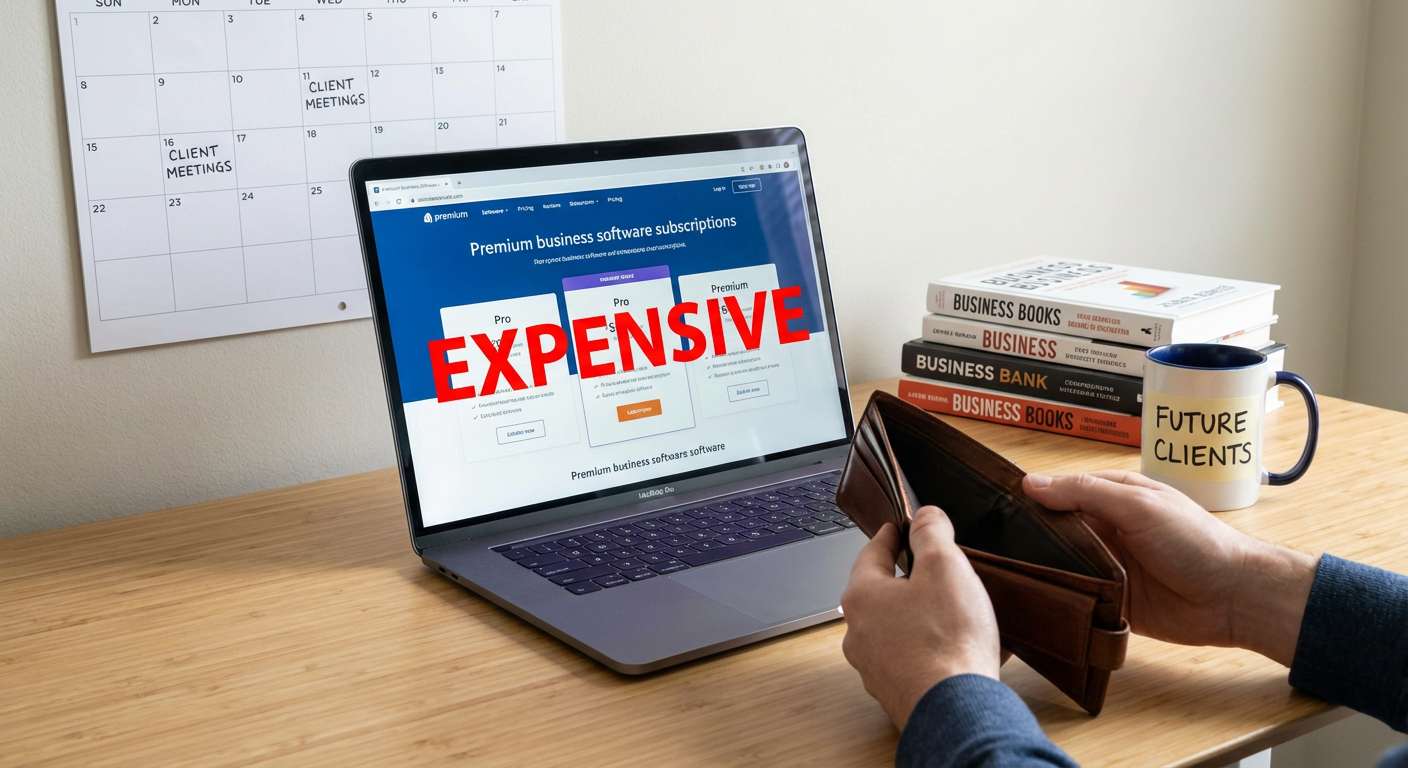
Many new freelancers invest in expensive subscriptions, premium software, and fancy tools before they’ve landed their first paying project. This burns through savings quickly and creates financial pressure that can lead to desperation pricing or poor client choices.
Start with free or low-cost alternatives until you have steady income. Platforms like Legiit offer affordable services for freelancers who need help with specific tasks like logo design, website setup, or marketing materials without committing to pricey monthly subscriptions. You can buy what you need when you need it, keeping your overhead manageable while you build your business. Once you have consistent revenue, you can upgrade to premium tools that genuinely improve your workflow.
- Not Setting a Real Budget for Your Business Expenses
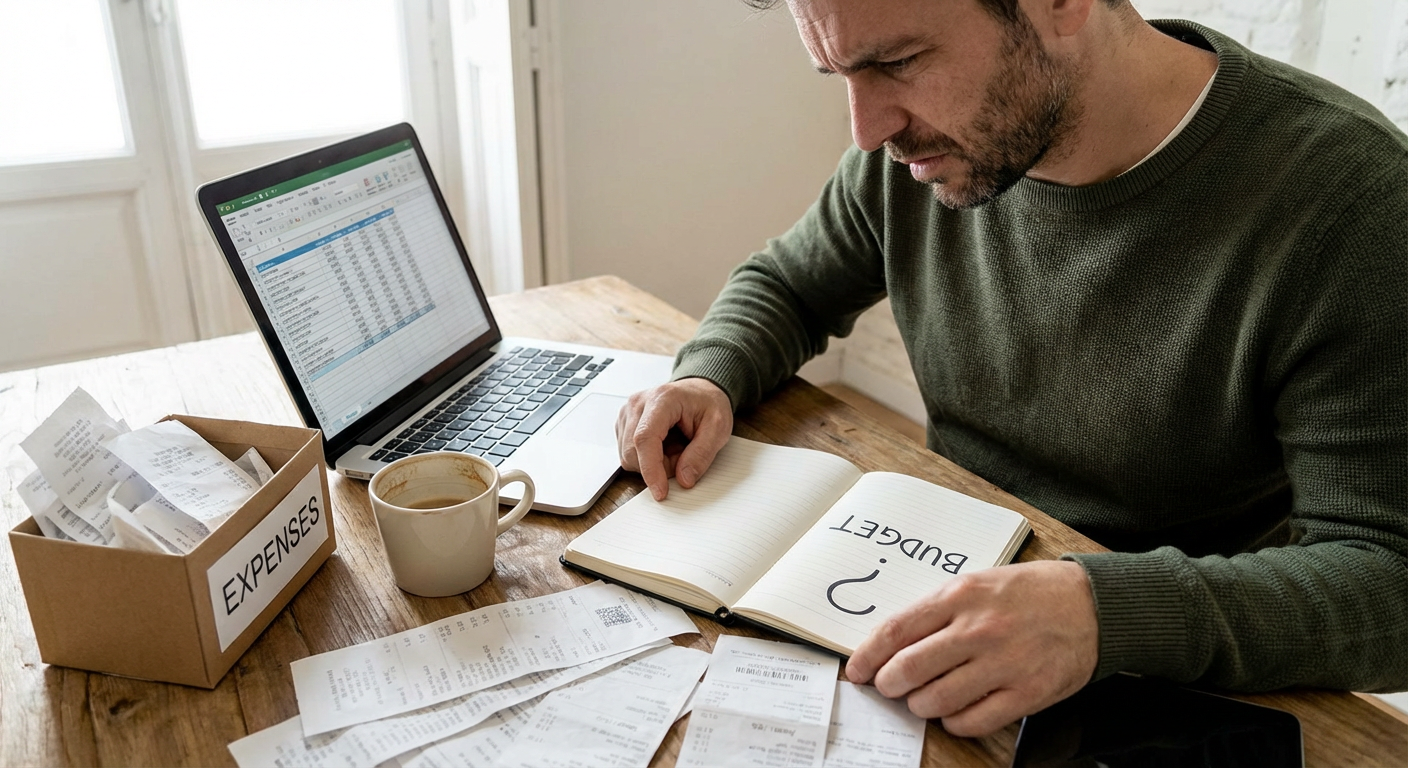
Flying by the seat of your pants financially is a recipe for stress and overspending. Without a clear budget, you might find yourself surprised by how quickly small expenses add up, from domain renewals to software subscriptions to coffee shop work sessions.
Create a simple spreadsheet that tracks every business expense, no matter how small. Set realistic limits for categories like software, marketing, and professional development. Review it monthly to see where your money actually goes. This awareness alone will help you cut unnecessary costs and make smarter purchasing decisions. Free tools like Google Sheets or LibreOffice Calc work perfectly for this, so there’s no excuse to skip this step.
- Underpricing Your Services to Compete
The temptation to charge rock-bottom rates when you’re starting out feels logical, but it backfires quickly. You end up working long hours for little pay, attracting clients who don’t value your work, and struggling to raise rates later without losing your entire client base.
Research what experienced freelancers in your field actually charge, then price yourself slightly below that range while you build your portfolio. Focus on the value you provide rather than competing solely on price. A $500 project that takes you 10 hours is far better than five $100 projects that take 15 hours total. Your time has real value, and pricing too low signals inexperience rather than affordability.
- Ignoring Free Learning Resources
Some new freelancers assume they need to pay for expensive courses or certifications to be taken seriously. While quality education has value, the internet offers thousands of free tutorials, guides, and resources that can teach you almost anything.
YouTube, free blog posts, library books, and platforms like Coursera or Khan Academy provide high-quality instruction at no cost. Many industry leaders share their knowledge freely through podcasts and newsletters. Save your money for tools that directly generate income, and use free resources to build your skills. Only invest in paid courses when you’ve exhausted free options and can clearly identify a specific skill gap that’s costing you clients.
- Paying for Office Space Too Soon
Renting a coworking space or private office feels professional, but it’s an ongoing expense that rarely pays for itself when you’re just starting out. Many freelancers sign leases before they have the revenue to justify them, adding hundreds of dollars in monthly overhead.
Work from home, coffee shops, or public libraries until your income consistently covers your basic expenses plus savings. If you need occasional professional meeting space, look for hourly rental options or use video calls for most client meetings. The money you save on rent can go toward better equipment, marketing, or simply building your emergency fund. Physical office space is a luxury you can add later when it makes financial sense.
- Not Tracking Expenses for Tax Deductions
Every business expense you forget to track is money left on the table at tax time. New freelancers often treat receipts casually, missing out on hundreds or thousands of dollars in legitimate deductions that could reduce their tax burden.
Use a free app like Wave or a simple spreadsheet to log every business purchase immediately. Keep digital copies of receipts using your phone’s camera. Track mileage for business trips, home office square footage, software subscriptions, equipment purchases, and professional development costs. When tax season arrives, you’ll have everything organized and ready, maximizing your deductions without paying an accountant to reconstruct your year from scattered records.
- Buying Every Tool and Software Subscription Available
The freelance world is full of shiny productivity apps, project management platforms, and specialized software. New freelancers often subscribe to multiple tools that overlap in function, paying for features they never use.
Audit your actual needs versus your perceived needs. Start with free versions of essential tools and only upgrade when you hit their limitations. Many premium features sit unused because basic functionality handles 90% of what you actually do. Cancel subscriptions you haven’t opened in a month. Consolidate when possible, choosing tools that serve multiple purposes over specialized options. Your goal is a lean toolkit that supports your work without draining your bank account monthly.
- Skipping Contracts Because They Feel Too Formal
Some new freelancers avoid contracts with clients, thinking they’re unnecessary for small projects or that they’ll seem difficult to work with. This leads to scope creep, payment disputes, and countless unpaid hours trying to resolve misunderstandings.
Use free contract templates available online and customize them for your needs. A simple one-page agreement that outlines deliverables, timeline, payment terms, and revision limits protects both you and your client. It prevents expensive problems like clients refusing to pay, demanding unlimited revisions, or claiming they expected something different. The few minutes spent on a contract can save you from losing hundreds or thousands of dollars to problematic projects.
- Not Building an Emergency Fund Before Quitting Your Job
Jumping into full-time freelancing without savings is financially dangerous. Income fluctuates wildly in the beginning, and unexpected expenses always appear at the worst times. Without a buffer, you’ll take any client at any price just to pay bills.
Save at least three to six months of living expenses before going full-time. This cushion lets you be selective about clients, turn down lowball offers, and weather slow months without panic. If you can’t save that much, start freelancing as a side business while keeping your day job. The financial security lets you build your business strategically rather than desperately, which leads to better long-term outcomes and higher earnings.
- Forgetting to Invoice Promptly
Delayed invoicing is like giving your clients an interest-free loan. Some new freelancers finish projects and wait days or weeks to send invoices, pushing their payment even further into the future and creating cash flow problems.
Send invoices immediately when you complete work or hit project milestones. Use free invoicing tools like Invoice Ninja, Wave, or even a professional-looking template in Google Docs. Set calendar reminders to follow up on unpaid invoices after your payment terms expire. The faster you invoice, the faster you get paid, and the better your cash flow becomes. This simple habit prevents the feast-or-famine cycle that stresses out so many freelancers.
- Neglecting to Negotiate Payment Terms
Accepting whatever payment schedule a client offers might seem polite, but it can leave you waiting 30, 60, or even 90 days for money you’ve already earned. This creates serious cash flow problems, especially when you have bills due.
Ask for deposits upfront, particularly on larger projects. Request 50% before you start and 50% upon completion, or break projects into milestones with payments at each stage. For ongoing work, negotiate shorter payment terms like net 15 instead of net 30. Most clients will agree to reasonable terms if you simply ask. Getting paid faster means you can cover expenses without dipping into savings or turning to credit cards.
- Paying for Advertising Before You Have Social Proof
New freelancers sometimes think paid ads will quickly fill their pipeline, so they pour money into Facebook ads, Google ads, or promoted posts before they have testimonials, case studies, or a portfolio that converts.
Build your credibility through free channels first. Create valuable content, engage in online communities, ask early clients for testimonials, and showcase your work on free portfolio sites. Use social media organically to share your expertise. Once you have proven results and know what messaging works, small paid campaigns can amplify your reach. But spending on ads before you have proof that your offer resonates is like throwing money into a fire. Free marketing takes more time but protects your budget while you learn what actually works.
Building a freelance business on a budget isn’t just possible, it’s often the smartest approach. By avoiding these common financial mistakes, you’ll keep more money in your pocket, reduce stress, and create a sustainable foundation for growth. Remember that every dollar you save in the early stages is a dollar you can invest in your business later or simply keep as profit. Start lean, spend intentionally, and let your revenue guide your expenses rather than the other way around. Your future self will thank you for the financial discipline you practice today.
