11 Beginner-Friendly Freelance Sites That Have Been Around Since Before 2019
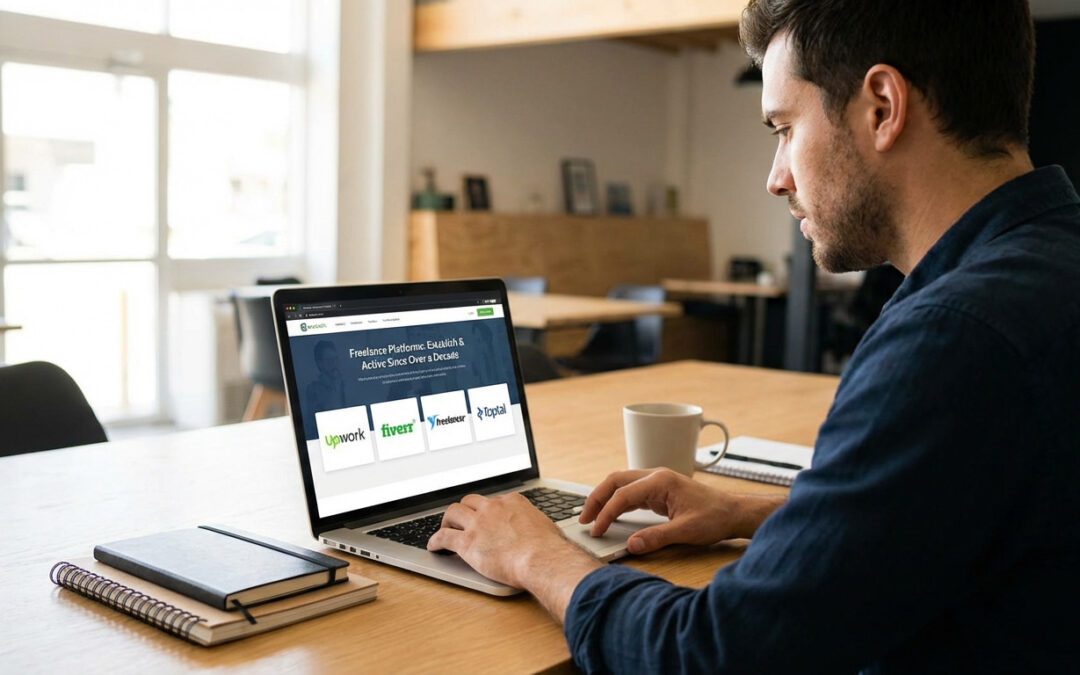
Starting your freelance career can feel overwhelming, especially when choosing where to find your first clients. The good news is that some of the best platforms have been around for years, which means they’ve had plenty of time to refine their interfaces and build systems that help newcomers get started. This list focuses on established freelance sites that are known for being accessible to beginners. Each platform featured here has a straightforward signup process, clear guidelines, and features designed to help you land your first gig without needing years of experience or a complicated portfolio.
- Legiit

Legiit stands out as one of the most approachable platforms for beginners who want to offer digital services. The site allows you to create service listings, called “gigs,” where you describe what you offer and set your own prices. There’s no confusing bidding system to learn, and you don’t need to compete in crowded proposal contests. Instead, clients browse your services and purchase directly, making it much simpler to understand how you’ll get paid.
The platform is particularly welcoming for those new to freelancing because it doesn’t require an extensive portfolio or years of proven work history. You can start offering services in areas like content writing, SEO, social media management, and web development right away. The community is supportive, and the interface is clean and easy to understand, even if you’ve never used a freelance platform before.
- Fiverr
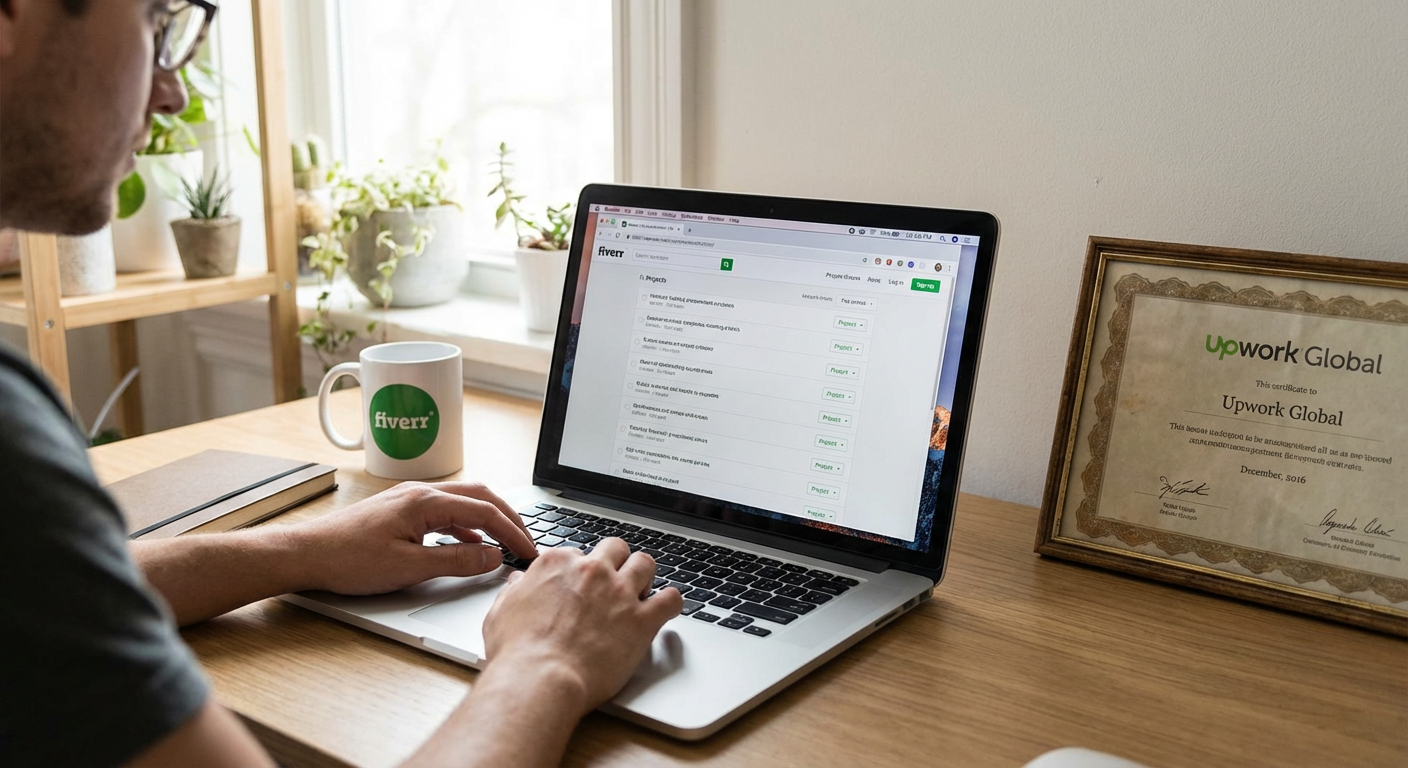
Fiverr revolutionized freelancing by making it incredibly simple to get started. You create a profile, list your services as gigs, and wait for buyers to find you. The platform handles the entire transaction process, including payments and dispute resolution, so you don’t need to worry about chasing down clients or figuring out invoicing.
What makes Fiverr especially good for beginners is that you can start small. Many freelancers begin by offering basic services at lower price points to build reviews and credibility. As your reputation grows, you can raise your rates and offer more advanced packages. The platform provides helpful tutorials and seller resources that explain everything from setting up your profile to writing compelling gig descriptions. With millions of active buyers, there’s a genuine opportunity to find your first clients relatively quickly if you position your services well.
- Upwork
Upwork is one of the largest freelance marketplaces and offers a clear path for beginners to find work. The platform uses a proposal system where you apply for jobs posted by clients, which gives you control over the projects you pursue. Each job listing includes detailed information about what the client needs, the budget, and the timeline, making it easier to decide if you’re a good fit.
The platform offers a free tier that gives you a limited number of monthly proposals, which is perfect for testing the waters without financial commitment. Upwork also provides skill tests you can take to demonstrate your abilities, which can help compensate for a lack of work history on the platform. The interface walks you through profile setup step by step, and there are plenty of guides available to help you write proposals that get noticed. Payment protection is built in, so you can feel confident that completed work will be compensated.
- Freelancer.com
Freelancer.com has been connecting clients with service providers for well over a decade, and it’s designed to be accessible for people just starting out. The platform uses both a contest model and a traditional bidding system, giving you multiple ways to land work. Contests can be particularly good for beginners because they let you demonstrate your skills through actual work samples rather than relying solely on your reputation.
Signing up is straightforward, and you can start bidding on projects immediately after creating your profile. The site covers an enormous range of categories, from writing and design to programming and data entry, so there’s likely a fit for whatever skills you bring. Freelancer.com also offers milestone payments and an escrow system, which protects both you and the client. The platform includes educational resources and a responsive support team to help you when you get stuck.
- PeoplePerHour
PeoplePerHour is a UK-based platform that has built a reputation for being user-friendly and accessible. The site lets you create “hourlies,” which are fixed-price service offerings that clients can purchase directly, similar to how gigs work on other platforms. This removes the complexity of bidding and negotiating, making it easier for beginners to understand exactly what they’re offering and what they’ll earn.
The platform also has a proposal system for custom projects, giving you flexibility in how you find work. PeoplePerHour provides a clean, intuitive interface that doesn’t overwhelm new users with unnecessary features. The onboarding process includes helpful tips about setting up your profile and pricing your services competitively. Payment protection is standard, and the platform handles invoicing and transaction processing, so you can focus on delivering good work rather than administrative tasks.
- Guru
Guru has been around since the late 1990s and has refined its platform to be welcoming for freelancers at all experience levels. The site uses a workroom feature that centralizes all communication, files, and payment information for each project, which helps beginners stay organized without juggling multiple tools or email threads.
Creating a profile on Guru is straightforward, and the platform offers different membership tiers, including a free option that lets you test the platform before committing to a paid plan. You can showcase your portfolio, list your skills, and apply for jobs that match your abilities. Guru’s SafePay system holds funds in escrow until work is completed and approved, giving you confidence that you’ll be paid for your efforts. The platform also offers daily job match emails based on your profile, which can help you find relevant opportunities without spending hours searching.
- 99designs
For beginners in the design field, 99designs offers a clear and focused platform that’s easier to understand than general freelance marketplaces. The site specializes in graphic design, logo creation, web design, and similar creative services. It uses both a contest model and a one-to-one project model, giving you options for how you want to work.
Contests can be particularly valuable for beginners because they let you build your portfolio while competing for real paid work. You submit designs based on a client’s brief, and if yours is selected, you get paid. This model helps you gain experience and collect testimonials even without an established reputation. The platform provides clear guidelines for each project type, and the community is active and supportive. Payment is guaranteed once your design is chosen, and the platform handles all financial transactions securely.
- Toptal
While Toptal has a more rigorous screening process than other platforms, it’s worth mentioning for beginners who have strong skills and want to work with high-quality clients from the start. The platform positions itself as connecting the top 3% of freelance talent with companies that need expert help, which means the vetting process includes skills tests and interviews.
If you can pass the screening, Toptal removes many of the challenges that beginners face on other platforms. You won’t compete in bidding wars or struggle to get noticed among thousands of other freelancers. Instead, Toptal matches you with clients based on your skills and availability. The platform handles contracts, payments, and administrative work, letting you focus entirely on delivering quality results. For beginners with demonstrable skills who want to skip the typical struggle of building credibility, Toptal offers a different path forward.
- SimplyHired
SimplyHired functions more as a job aggregator than a traditional freelance platform, but it’s incredibly useful for beginners who want to find freelance and contract positions without creating profiles on multiple sites. The platform pulls listings from across the web and presents them in one searchable database, making it easy to browse opportunities in your field.
The interface is simple and familiar if you’ve ever used a job board before. You can filter by location, job type, salary range, and other criteria to find positions that fit your needs. Many of the listings are for contract or freelance roles that don’t require extensive experience, making it a good resource for beginners. SimplyHired is completely free to use, and you can set up job alerts to receive notifications when new opportunities matching your criteria are posted. It’s a low-pressure way to explore what’s available without committing to a specific freelance platform.
- FlexJobs
FlexJobs specializes in remote, part-time, and flexible job opportunities, including many freelance and contract positions. What makes it particularly beginner-friendly is the heavy screening the platform does on the employer side. Every job listing is vetted to ensure it’s legitimate, which means you won’t waste time sorting through scams or low-quality opportunities.
The site requires a subscription to access full job listings, but the cost is reasonable and the quality of opportunities tends to be higher than on free platforms. FlexJobs categorizes listings clearly and provides detailed information about each role, making it easy to assess whether you’re qualified and interested. The platform also offers career coaching, skills tests, and other resources that can help you present yourself more effectively to potential clients. For beginners who want a curated, safer job search experience and are willing to pay a small fee for that peace of mind, FlexJobs delivers real value.
- ServiceScape
ServiceScape caters specifically to writers, editors, translators, and graphic designers, making it a focused option for beginners in those fields. The platform has a straightforward application process where you submit your credentials and samples for review. Once approved, you create a profile that clients can browse when looking for help with their projects.
What makes ServiceScape particularly good for newcomers is the structured pricing guidance and professional presentation. The platform helps you set rates that are competitive and fair, and it provides a polished storefront for your services that looks professional even if you’re just starting out. Clients post projects or browse freelancer profiles directly, and the platform handles secure payments through an escrow system. ServiceScape also has a smaller, more specialized user base compared to giant platforms like Upwork, which can mean less competition and more visibility for your profile when you’re building your reputation.
Choosing the right freelance platform as a beginner doesn’t have to be complicated. The sites on this list have all been around long enough to work out the kinks, build protective systems for freelancers, and create interfaces that don’t require a manual to understand. Start with one or two platforms that align with your skills and comfort level, set up a complete profile, and begin applying or creating service listings. Remember that everyone starts somewhere, and these established platforms have helped millions of people take their first steps into freelancing. Focus on delivering quality work, building positive reviews, and learning as you go. Your freelance career has to start somewhere, and any of these platforms can be that starting point.
