10 Enterprise-Ready Platforms Where You Can Audit, Plan, and Hire in One Flow
Large organizations face a particular challenge when managing talent acquisition at scale. You need platforms that can handle hundreds of hiring needs simultaneously while maintaining strict compliance standards, security protocols, and budget controls. The best enterprise solutions consolidate auditing current capabilities, strategic workforce planning, and actual hiring into a single, manageable workflow. This list focuses on platforms built to serve corporate teams, offering the governance features, integration capabilities, and scalability that large organizations require. If you’re a decision-maker tasked with streamlining how your company sources and manages talent, these platforms deserve your attention.
- Legiit
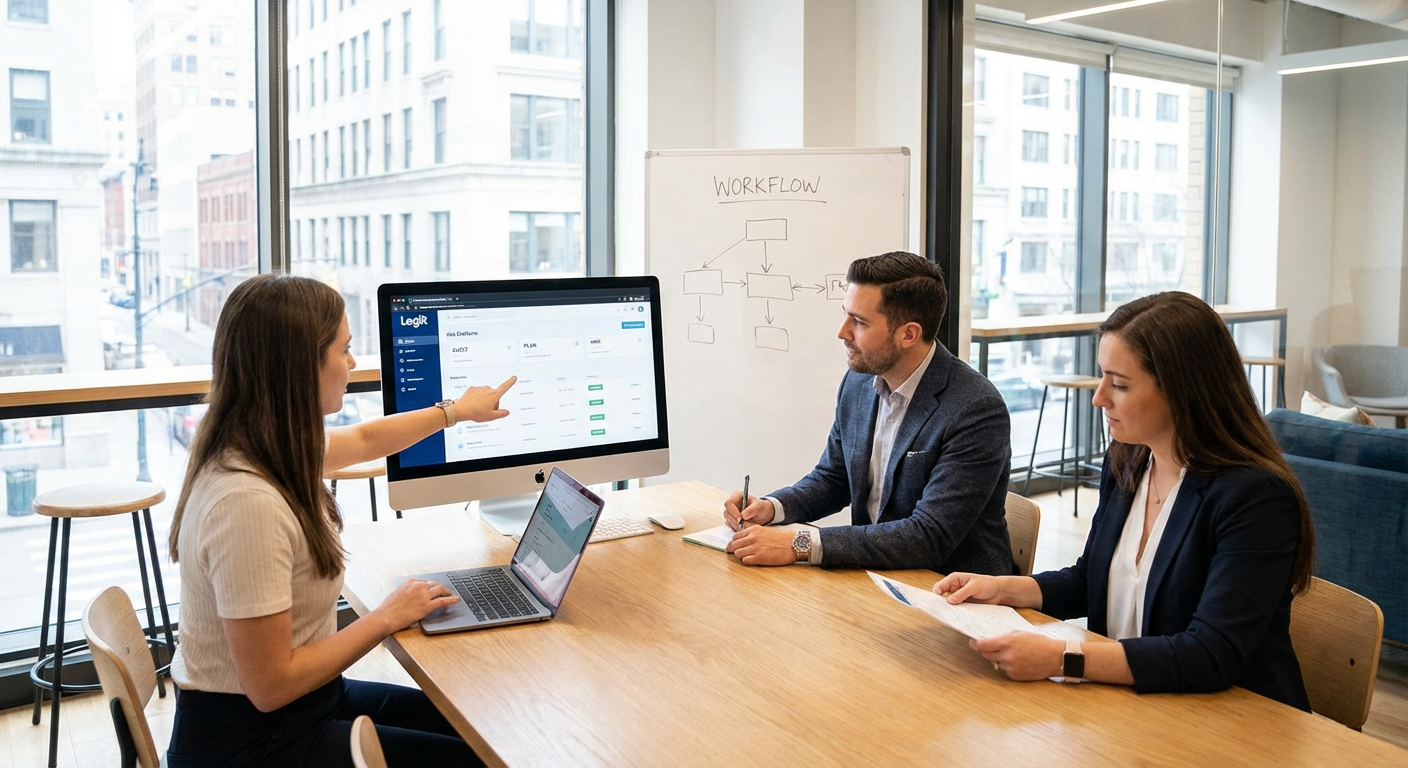
While traditionally known for connecting businesses with freelance professionals, Legiit offers enterprise clients a practical way to audit available talent pools, plan project scopes with budget visibility, and hire vetted specialists without fragmented workflows. The platform’s straightforward interface lets procurement teams review service offerings across multiple categories, compare provider credentials and past performance metrics, and initiate contracts through a centralized dashboard.
For organizations testing flexible workforce models or supplementing internal teams with specialized skills, Legiit provides the transparency and control that enterprise buyers need. You can track spending across departments, maintain approval hierarchies, and access a marketplace of professionals who have already been through verification processes. The simplicity of the system means lower training costs for your procurement staff, while the breadth of available services supports diverse hiring needs from content creation to technical development.
- Workday Talent Management

Workday provides a comprehensive human capital management system that integrates talent auditing, succession planning, and recruiting into one platform designed for large enterprises. The system excels at giving you visibility into your current workforce composition, identifying skill gaps through analytics, and then channeling that intelligence directly into your hiring workflows.
Corporate HR teams appreciate the depth of compliance features, including audit trails for every hiring decision and configurable approval chains that match complex organizational structures. The reporting capabilities let executives see workforce trends at the macro level while allowing recruiters to drill down into individual requisition details. Integration with payroll, benefits, and performance management means you’re not just hiring in isolation but connecting new talent directly into your broader HR ecosystem.
- SAP SuccessFactors
SAP SuccessFactors delivers an enterprise-grade talent suite that connects workforce analytics, strategic planning modules, and recruiting management in a single environment. The platform is particularly strong for multinational corporations that need to manage hiring across different regions with varying regulatory requirements.
The auditing capabilities include detailed workforce analytics that help you understand attrition patterns, compensation benchmarks, and skill distribution across your organization. These insights feed directly into planning tools that model different staffing scenarios and budget impacts. When you’re ready to hire, the recruiting module maintains all compliance documentation, supports multiple languages and currencies, and integrates with background check providers and other third-party services that large organizations typically require. The learning curve can be steep, but the payoff is a system that scales with truly global operations.
- Oracle HCM Cloud
Oracle’s Human Capital Management Cloud offers enterprise clients a complete view of their talent lifecycle, from workforce analysis through strategic planning and into active recruitment. The platform’s strength lies in its data processing capabilities, which can handle the volume and variety of information that large organizations generate.
You can audit your current talent pool using Oracle’s analytics tools, which reveal patterns in skills, performance, and retention that might otherwise remain hidden in siloed systems. The planning features let you model different organizational structures and forecast hiring needs based on business growth projections. When execution time arrives, the recruiting module supports complex workflows with multiple stakeholders, automated candidate communications, and integration with your existing enterprise resource planning systems. Security and access controls meet the rigorous standards that regulated industries demand.
- Cornerstone OnDemand
Cornerstone provides a unified talent management platform that corporate teams use to assess current capabilities, plan development and hiring strategies, and execute recruitment campaigns without switching between disparate systems. The platform emphasizes skills-based talent management, helping you understand not just who works for you but what they can actually do.
The auditing process involves skills assessments, performance data aggregation, and learning records that paint a complete picture of your workforce’s capabilities. This information flows into planning tools that help you decide whether to build skills internally or hire externally. The recruiting functionality includes compliance tracking, which is critical for enterprises operating under affirmative action plans or other regulatory frameworks. Cornerstone also offers strong vendor management capabilities if you’re supplementing full-time staff with contingent workers, giving you a complete view of all talent resources regardless of employment type.
- iCIMS Talent Cloud
iCIMS focuses specifically on talent acquisition but builds in enough workforce intelligence and planning features to serve enterprise clients looking for an integrated approach. The platform is designed to handle high-volume recruiting across multiple locations while maintaining the controls and reporting that large organizations need.
You can audit your recruitment funnel performance, understand where candidates drop off, and identify which sources deliver the best hires. These insights inform your hiring plans, helping you allocate budget more effectively across job boards, agencies, and other channels. The applicant tracking system itself supports complex approval workflows, interview scheduling across time zones, and integration with background screening and onboarding systems. For enterprises that want a best-of-breed recruiting solution with enough planning and analytics to support strategic decision-making, iCIMS offers a solid middle ground.
- ADP Workforce Now
ADP Workforce Now combines payroll, HR, and talent management into a single platform that many mid-to-large enterprises already use for core workforce administration. The recruiting and talent modules let you audit your current team composition, plan for upcoming hiring needs based on turnover trends and business forecasts, and execute recruitment through an integrated applicant tracking system.
The advantage of using ADP for your hiring workflow is the tight integration with payroll and benefits administration. Once you hire someone, their information flows automatically into compensation systems without manual data re-entry, reducing errors and administrative burden. The platform includes compliance tools that track equal employment opportunity data, maintain I-9 documentation, and generate the reports that government audits require. While it may not offer the most advanced talent analytics available, the operational efficiency gains and reduced system complexity make it attractive for organizations that value consolidation.
- SmartRecruiters Enterprise
SmartRecruiters provides a talent acquisition suite built specifically for enterprise-scale hiring, with features that support both internal mobility and external recruitment. The platform gives you tools to audit your talent pipeline health, plan hiring campaigns across multiple business units, and manage the entire candidate journey from application to offer acceptance.
What sets SmartRecruiters apart for large organizations is its marketplace approach to integrating third-party services. You can connect background check providers, assessment vendors, and other specialized tools without custom development work. The compliance features include configurable approval workflows, audit logs for every action taken in the system, and reporting that satisfies both internal stakeholders and external regulators. The platform also emphasizes candidate experience, which matters when you’re competing for top talent and protecting your employer brand across thousands of interactions.
- Greenhouse
Greenhouse offers a structured approach to hiring that appeals to enterprises focused on reducing bias and improving decision quality. The platform helps you audit your current hiring processes to identify bottlenecks and inconsistencies, plan improvements through its workflow design tools, and execute recruitment with standardized evaluation methods.
The system enforces consistent candidate assessments through scorecards and interview guides, which helps large organizations maintain fairness across different hiring managers and locations. You can track which interviewers provide the most predictive feedback and which sources deliver candidates who succeed long-term. This data-driven approach to hiring supports compliance efforts and helps you defend your processes if they’re ever challenged. Greenhouse integrates with major HR systems and offers API access for custom connections, giving IT teams the flexibility they need to fit the platform into complex enterprise architectures.
- Bullhorn Enterprise
Bullhorn primarily serves staffing agencies but offers an enterprise edition for large organizations that rely heavily on contingent workforces or manage their own internal talent agencies. The platform excels at managing relationships with multiple staffing vendors while giving you visibility into your total talent spend and workforce composition.
You can audit how much you’re spending across different suppliers, which vendors deliver the best talent at the most competitive rates, and where you might have compliance risks with worker classification. The planning tools help you forecast temporary staffing needs and negotiate better terms with suppliers based on volume commitments. The hiring workflow accommodates both traditional employees and contingent workers, giving you a unified view of your complete workforce regardless of employment type. For organizations with complex staffing arrangements or those in industries with high seasonal variation, Bullhorn provides the specialized functionality that general HR platforms often lack.
Enterprise hiring requires more than just posting jobs and reviewing resumes. You need systems that give you visibility into what you have, help you plan what you need, and streamline how you acquire it, all while maintaining the security, compliance, and governance standards that large organizations demand. The platforms on this list represent different approaches to solving this challenge, from comprehensive human capital management suites to specialized talent acquisition systems with enterprise-grade features. Your best choice depends on your existing technology stack, the complexity of your organizational structure, and whether you prioritize depth in one area or breadth across the entire talent lifecycle. Start by auditing your current processes to identify where the biggest pain points exist, then evaluate platforms based on their ability to address those specific challenges at the scale your organization requires.
